

Petrol Prices Pakistan Likely to Drop from September 1
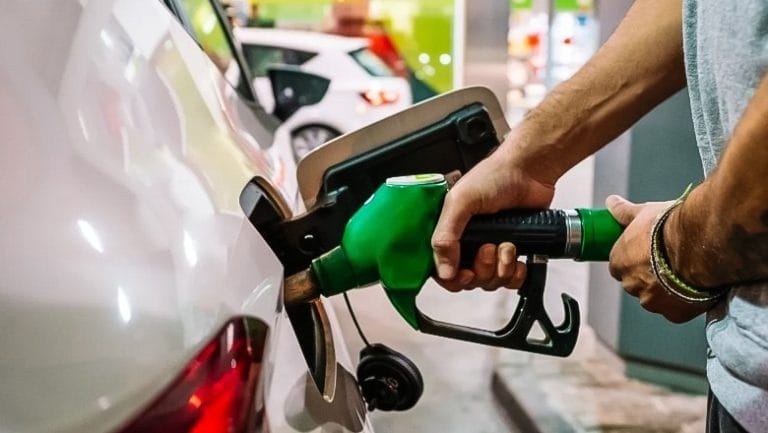
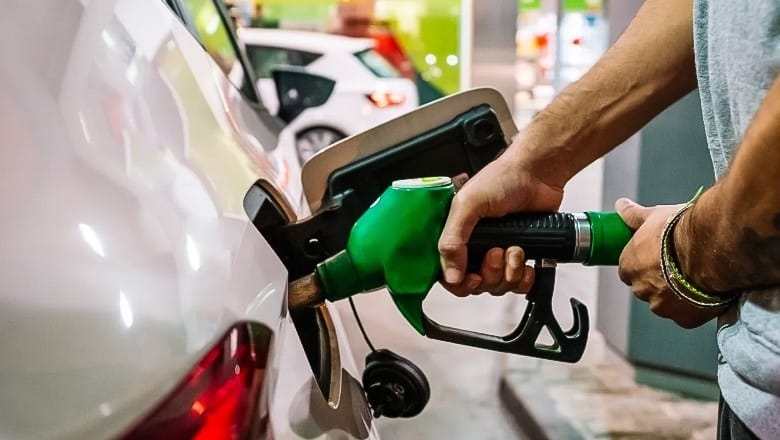
Relief may soon be on the way for millions of consumers as the government reviews new recommendations on Petrol Prices Pakistan starting September 1, 2025. According to official sources, the Oil and Gas Regulatory Authority (OGRA) has completed its review and forwarded proposals to the Petroleum Division. The final decision is expected on August 31, with the Prime Minister’s approval being the last step.
While fuel prices have already seen mixed adjustments in August, expectations are high that the September review could bring further cuts in diesel, kerosene, and light diesel, although petrol rates may remain unchanged. However, rising levies and dealer margins continue to limit the full relief consumers might otherwise enjoy.
Current Petrol Prices in Pakistan
As per the latest notification from the Ministry of Finance:
- Petrol: Rs. 264.61 per litre (unchanged)
- High-Speed Diesel: Rs. 272.99 per litre (reduced by Rs. 12.84)
- Kerosene Oil: Rs. 178.87 per litre (cut by Rs. 7.19)
- Light Diesel Oil: Rs. 162.37 per litre (reduced by Rs. 8.20)
These adjustments provided partial relief in mid-August, but new recommendations are now under review for September.
Petroleum Levy Adjustments
Despite reductions, the government increased petroleum levies, cutting into the overall relief.
- Petrol Levy: Increased from Rs. 75.52 to Rs. 78.02 per litre
- Diesel Levy: Increased from Rs. 74.51 to Rs. 77.01 per litre
Additionally:
- A climate support levy of Rs. 2.50 per litre has been imposed on both petrol and diesel.
- Freight margin on diesel raised by Rs. 0.20 per litre, now Rs. 6.24 per litre.
- Dealer’s margin: Rs. 8.64 per litre (petrol & diesel)
- Distributor’s margin: Rs. 7.87 per litre
- Sales tax: 0% on both petrol and diesel
This balancing act between relief and revenue shows how the government is navigating both fiscal needs and consumer pressure.
Why Petrol Prices Pakistan May Decrease in September
Several factors are shaping the upcoming price review:
- Global Oil Market Trends – Crude oil prices have shown signs of stabilization, giving Pakistan room to adjust domestic prices downward.
- Currency Fluctuations – The rupee’s relative stability against the dollar impacts import costs of petroleum products.
- Government’s Revenue Needs – Increases in levies and margins are designed to support fiscal policy while still offering symbolic relief.
- Public Pressure – Rising inflation and living costs have increased demands for government action to ease fuel prices.
Impact of Fuel Price Changes on Consumers
Fluctuations in Petrol Prices Pakistan directly affect:
- Transport Costs: Lower diesel prices ease pressure on freight, goods movement, and public transport.
- Inflation: A reduction in petroleum prices can help stabilize food and commodity costs.
- Household Budgets: Families relying on motorbikes and small cars benefit from unchanged petrol but reduced levies.
- Industrial Costs: Factories depending on diesel generators for power can see operational cost relief.
Economic Implications of Price Adjustments
Experts argue that while reductions in diesel and kerosene bring short-term relief, increasing levies offsets the benefits. This ensures:
- Government Revenue Flow: Petroleum levies are a major revenue source.
- Controlled Inflationary Relief: Partial reductions are provided to ease inflationary pressure without straining government finances.
- Balance with IMF Commitments: Price adjustments are aligned with fiscal obligations under international agreements.
Comparison with Mid-August Fuel Review
In mid-August, the government kept petrol rates unchanged but announced significant cuts:
- Diesel: Reduced by Rs. 12.84
- Kerosene: Reduced by Rs. 7.19
- Light Diesel: Reduced by Rs. 8.20
The September review continues this trajectory, but experts caution that repeated levy increases are limiting meaningful relief.
Possible Scenarios for September 1 Decision
- Petrol remains unchanged at Rs. 264.61/litre while diesel sees further minor cuts.
- Petrol prices decrease slightly if global crude rates remain stable.
- Levies rise again, reducing the net effect of any announced cuts.
The final outcome depends on international oil trends and the Prime Minister’s approval.
FAQs on Petrol Prices Pakistan
1. When will the new fuel prices be announced?
The final notification is expected on August 31, 2025.
2. What is the current price of petrol in Pakistan?
Petrol is currently priced at Rs. 264.61 per litre.
3. Why is relief limited despite reductions?
Because of increased petroleum levies, freight margins, and dealer commissions, which add to the overall cost.
4. Which fuel saw the biggest cut in August?
High-speed diesel, which was reduced by Rs. 12.84 per litre.
5. Does the sales tax apply on petrol and diesel?
Currently, the sales tax is set at zero on both.
6. Will kerosene prices decrease further in September?
It depends on the PM’s approval, but OGRA’s recommendation suggests possible continuation of cuts.
Conclusion
The upcoming review of Petrol Prices Pakistan from September 1, 2025, holds significant importance for households, industries, and the overall economy. While reductions in diesel, kerosene, and light diesel are welcome, increased levies and margins limit the net relief passed on to consumers.
As the government balances inflation control, fiscal revenue, and international commitments, fuel price decisions will remain a delicate policy tool. For now, all eyes are on the Prime Minister’s approval on August 31, which will determine how much relief the public will actually feel.
Read More Here: