
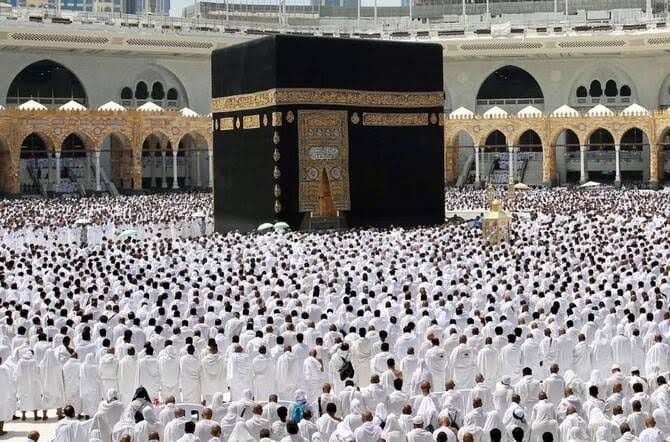
Hajj 2026 Saudi Arabia Plans Easier Journey for Pilgrims
Introduction – A New Era for Pilgrimage
Hajj is one of the most important spiritual journeys in the life of a Muslim. Every year, millions of pilgrims travel to Makkah and Madinah to perform this sacred obligation, fulfilling one of the five pillars of Islam. However, with increasing numbers of worshippers and limited infrastructure, the Hajj journey has often been associated with challenges, especially regarding accommodation, transportation, and crowd management.
Now, with the announcement of Hajj 2026 reforms, Saudi Arabia has taken another major step to make the pilgrimage smoother, safer, and more convenient for Muslims around the world. The Ministry of Hajj and Umrah, in collaboration with the Ministry of Tourism and Housing Authorities, has launched a new initiative introducing temporary housing licenses, online booking systems, and digital facilitation platforms to modernize the overall Hajj experience.
This article takes a detailed look at these changes, their expected impact on pilgrims—especially those from Pakistan—and how Saudi Arabia is reshaping the future of global pilgrimage.
Temporary Housing Licenses: Solving the Accommodation Shortage
One of the biggest struggles for Hajj pilgrims has always been finding suitable and affordable accommodation near the holy sites in Makkah and Madinah. During peak seasons, hotels are often fully booked months in advance, leaving many pilgrims with limited or expensive options.
To address this, Saudi Arabia will now allow property owners in these cities to rent out their residences to pilgrims through a temporary seasonal housing license system.
Key Features of the Housing Reform:
- Property owners will receive official seasonal approval.
- Housing units will be inspected for safety, hygiene, and capacity standards.
- Rent will be managed transparently through digital platforms.
- More affordable and diverse accommodation options will become available.
This move is expected to increase the number of available rooms during the Hajj season, reduce overcrowding in traditional hotels, and ensure that pilgrims have reliable housing arrangements.
For years, many pilgrims complained about substandard or overpriced housing during Hajj. By creating a regulated system, the Saudi government is not only expanding supply but also setting quality benchmarks for accommodation.
Read Also Here:
Karachi Traffic Police Launches E-Challan System
Digital Facilitation: Nusuk Masar Platform and Tourism Portal
Another key reform for Hajj 2026 is the introduction of streamlined online platforms. All applications for seasonal housing licenses and pilgrim bookings will now be processed through:
Nusuk Masar platform – a government-backed digital hub that allows pilgrims to plan and manage their journey.
Ministry of Tourism’s portal – where licensed property owners can register, receive approval, and list their accommodations.
Why This Matters for Pilgrims:
- Transparency: Every booking is officially documented, minimizing the chances of fraud.
- Convenience: Pilgrims can reserve accommodation before arriving in Saudi Arabia.
- Efficiency: Digital records help authorities track capacity and prevent overbooking.
This digital shift is part of Saudi Arabia’s broader Vision 2030 reforms, which emphasize the use of technology to enhance tourism and religious services.
Hotels and Traditional Tourism Licenses Remain Active
While seasonal housing licenses will open new opportunities, traditional hotels in Makkah and Madinah will continue to operate as usual. These hotels already have year-round tourism licenses, and their services are vital in hosting international pilgrims.
By balancing new housing options with established hotels, Saudi Arabia is ensuring both affordability and continuity. Wealthier pilgrims who prefer luxury hotels will still find their options available, while budget-conscious pilgrims will benefit from seasonal housing.
Hajj 2026 and Pakistan: A Blessing for Pilgrims
For Pakistani Muslims, these reforms are especially important. Each year, hundreds of thousands of Pakistanis apply for the government and private Hajj schemes, but accommodation and cost remain two of the biggest concerns.
Pilgrims Statistics:
- In 2025, Pakistan sent around 189,000 pilgrims.
- For Hajj 2026, the government is negotiating for a bigger quota of 255,000 pilgrims.
The expansion of housing and the introduction of digital booking platforms will directly benefit Pakistani pilgrims, making it easier to secure reliable accommodation near the holy mosques.
Revival of Hajj by Sea Travel
Another exciting development under consideration is the revival of Hajj by sea travel. For decades, Pakistani pilgrims used ships to reach Jeddah before air travel became the primary mode of transportation.
Now, officials in Islamabad are exploring whether this option can be reintroduced.
Benefits of Sea Travel:
- Lower costs compared to flights.
- Comfortable for elderly pilgrims who struggle with air travel.
- Increased capacity to send more pilgrims at lower prices.
Although the revival of sea travel is still under study, it could significantly reduce Hajj expenses, especially for low-income families.
Expansion of the “Road to Makkah” Project
Saudi Arabia has also expanded the “Road to Makkah” initiative, which allows pilgrims to complete immigration and customs procedures at their departure airports before leaving for Saudi Arabia.
Currently, this service is available at selected airports, but for Hajj 2026, it may be extended to more Pakistani cities.
Advantages of Road to Makkah:
- Immigration completed in Pakistan, reducing airport delays in Jeddah or Madinah.
- Faster clearance and smoother arrival.
- Less stress for elderly and first-time pilgrims.
This initiative is particularly helpful for large groups, ensuring a hassle-free journey from the moment they leave their home country.
Economic and Social Benefits of the Reforms
The Hajj 2026 reforms are not only about spiritual facilitation—they also carry significant economic and social benefits.
For Saudi Arabia:
- Boosts the economy through regulated seasonal rentals.
- Creates jobs in tourism, housing, and technology sectors.
- Strengthens the country’s global reputation as a modern host nation.
For Pilgrims:
- More affordable housing options.
- Easier access to reliable services.
- Reduced mismanagement and scams.
By addressing long-standing issues, Saudi Arabia is setting a global benchmark for how large-scale religious events should be managed.
Global Perspective: Hajj as a Universal Experience
While Pakistan remains one of the largest contributors of pilgrims, the Hajj 2026 reforms will benefit Muslims worldwide. Countries across Asia, Africa, Europe, and the Americas face similar accommodation and management challenges, and this initiative provides a global solution.
By integrating digital platforms, temporary housing, and international cooperation, Saudi Arabia is transforming Hajj into a more inclusive and manageable journey.
Challenges Ahead: Affordability and Implementation
While the reforms have been widely welcomed, challenges remain.
- Affordability: Seasonal rentals may still be costly for low-income pilgrims if not properly regulated.
- Implementation: Ensuring that property owners comply with safety and hygiene standards.
- Digital Access: Some elderly pilgrims may find online booking difficult without assistance.
To address these issues, both the Saudi and Pakistani governments will need to create support programs such as subsidies, awareness campaigns, and digital training.
Conclusion – A Transformative Step for Hajj 2026
With the introduction of temporary housing licenses, digital booking platforms, the expansion of Road to Makkah, and the possible revival of sea travel, Saudi Arabia is preparing to host one of the most organized, comfortable, and inclusive Hajj experiences in history.
For Pakistani pilgrims, these changes are especially meaningful as the country prepares for a larger quota and explores cost-cutting measures.
Ultimately, these reforms are more than administrative updates—they are a reflection of Saudi Arabia’s commitment to serving the global Muslim community and ensuring that every pilgrim can fulfill this sacred journey with peace of mind.
For more details, visit the official Saudi Ministry of Hajj and Umrah.
Read More Here: