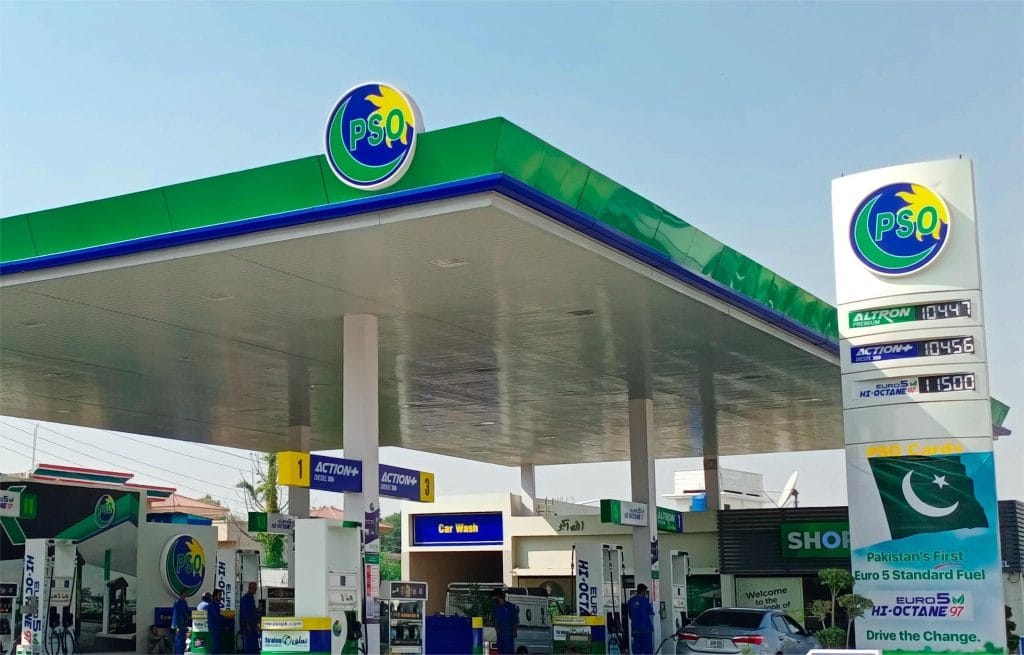

Petrol prices in Pakistan Likely to Increase From November 16
Industry Expects Another Increase in Fuel Rates
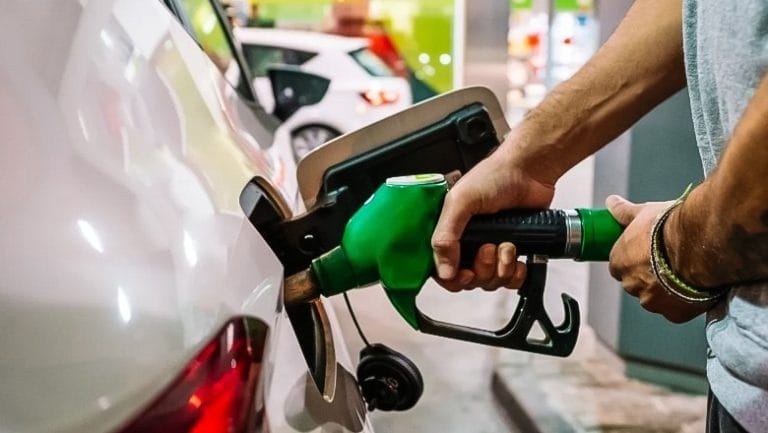
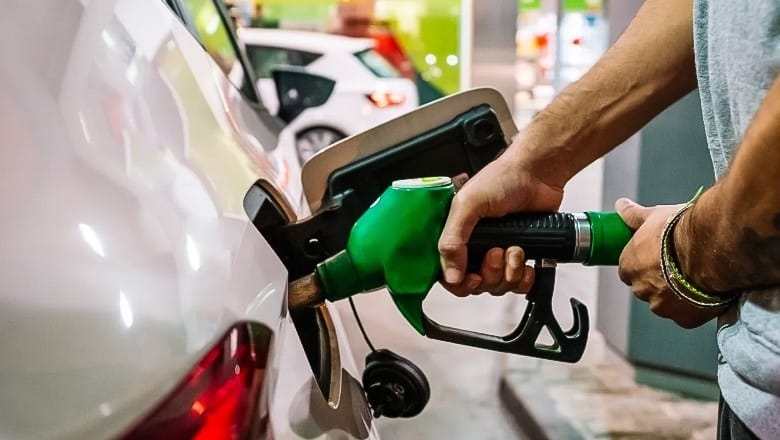
Petrol prices in Pakistan are likely to rise again from November 16 as the petroleum industry has recommended a fresh upward revision for the second half of November. This adjustment may bring another wave of inflation for citizens already struggling with high living costs.
Expected Increase in Petrol Diesel and Other Fuels
According to local media reports, the industry has proposed an increase of Rs 1.96 per litre for petrol. High-speed diesel may see a much larger jump of Rs 9.60 per litre. Kerosene oil is expected to increase by Rs 8.82 per litre, while light diesel oil may rise by Rs 7.15 per litre.
If these changes are approved, the new price of petrol will stand at Rs 263.49 per litre, while high-speed diesel will reach Rs 288.04 per litre.
OGRA to Submit Summary to the Government
The Oil and Gas Regulatory Authority (OGRA) will submit its pricing summary to the federal government on Saturday. After reviewing the proposal, the Prime Minister will give the final approval. Once approved, the Ministry of Finance will issue an official notification to confirm the revised fuel rates.
Read Also Here:
Gwadar Ferry Service Gets Approval for New Oman Route
Global Fuel Prices Have Declined
The possible increase in Pakistan’s fuel prices comes as a surprise because global oil prices have actually fallen sharply over the past week. Brent crude dropped by 3.67% to $62.77 per barrel, while WTI fell by 4.1% to $58.55 per barrel.
This decline followed OPEC’s revised outlook, which now suggests the global oil market will balance next year instead of facing an expected supply shortage.
Reasons Behind Global Price Drop
Experts attribute the fall in international prices to higher production from non-OPEC countries such as the United States, Brazil, and Guyana. Increased global inventories have also reduced concerns about supply shortages, helping stabilize international markets.
Why Local Prices Still Rise Despite Global Decline
Despite cheaper global oil, Pakistan continues to face rising fuel prices due to rupee depreciation, import costs, and local tax adjustments. These factors heavily influence domestic fuel pricing and often override changes in global oil trends.
Impact on Inflation and the Public
If approved, the new price hike may increase transportation and production costs, putting additional pressure on inflation. Everyday commodities may become more expensive, and businesses reliant on fuel are expected to face higher operational expenses.
For official price updates, visit:
https://www.finance.gov.pk
Read More Here:
Pakistani AI Startup Jams Acquired By OpenAI in Landmark Deal