
Higher Petrol Levy Adding Millions to Govt Revenue Amid Fuel Price Hike
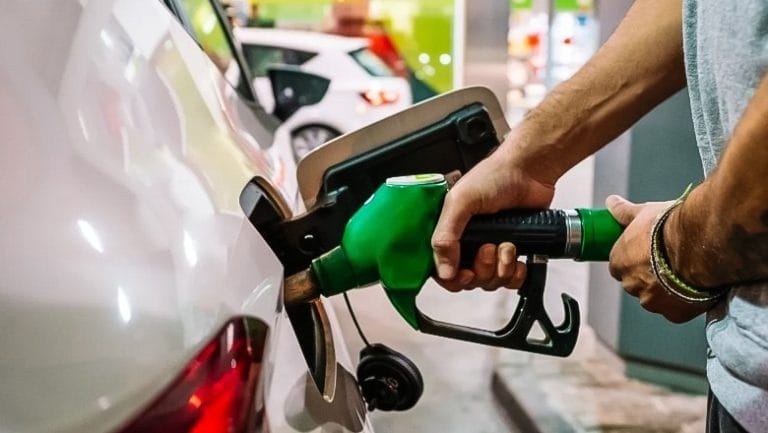
The government’s decision to increase the petroleum levy on petrol has turned fuel into one of the state’s most dependable revenue streams, with the higher petrol levy adding millions to government revenue daily. Following the recent Rs55 per litre hike in petroleum prices, the petroleum development levy on petrol was raised from Rs84.40 per litre to Rs105 per litre, significantly boosting the government’s tax collections .
This adjustment means that Pakistani consumers are now paying approximately Rs120 per litre in total taxes when all charges are combined, with a substantial portion of the pump price reflecting government revenue rather than the actual cost of oil . The higher petrol levy has become a critical fiscal tool as the government navigates the economic fallout from escalating Middle East tensions.
Higher Petrol Levy
Current Levy Rates and Tax Burden
According to official documents, the petroleum levy on petrol now stands at Rs105 per litre, while high-speed diesel carries a levy of Rs55 per litre following the latest adjustments . This represents a significant increase from January 2026 when the levy on petrol was Rs84.27 per litre and diesel Rs76.21 per litre .
The total tax burden on petrol has now crossed Rs120 per litre when including all government levies and charges . For diesel, total taxes exceed Rs100 per litre despite the reduction in the petroleum levy, as other margins and costs remain in place . Notably, sales tax on both products remains at zero percent, meaning the entire tax burden falls on the petroleum levy mechanism.
Read Also Here: Pakistan Petrol Prices Shock Increase by Rs55 Per Litre
Revenue Projections and IMF Commitments
The higher petrol levy is central to Pakistan’s fiscal planning and its commitments under the International Monetary Fund program. The government has submitted projections to the IMF showing petroleum levy collections rising steadily over the next five years .
According to these projections:
Current fiscal year 2025-26: Rs1,468 billion
Fiscal year 2026-27: Rs1,638 billion
Fiscal year 2027-28: Rs1,787 billion
Fiscal year 2028-29: Rs1,989 billion
Fiscal year 2029-30: Rs2,212 billion
Historical data shows collections have grown dramatically from Rs580 billion in 2022-23 to Rs1,220 billion in the previous fiscal year . The higher petrol levy is therefore adding billions annually to government revenue, helping meet fiscal targets and manage the budget deficit.
Impact on Circular Debt Reduction
Beyond regular revenue collection, the higher petrol levy is also being utilized to address Pakistan’s mounting circular debt in the energy sector. The gas circular debt has surged to Rs3,200 billion, up from Rs2,600 billion, primarily due to a sharp increase in late payment surcharges .
A task force on energy, in collaboration with KPMG and the Petroleum Division, has proposed imposing a petroleum levy of Rs3 to Rs5 per litre specifically to help retire the gas circular debt. This measure could raise approximately Rs90 billion annually toward debt reduction .
The plan involves diverting 35 LNG cargoes in 2026, which is expected to reduce the fuel import bill by over $1 billion and generate Rs160 billion annually to help clear the gas circular debt over five years .
Government Justification and Consumer Impact
Petroleum Minister Ali Pervaiz Malik announced the government’s decision during a press conference alongside Deputy Prime Minister Ishaq Dar and Finance Minister Muhammad Aurangzeb, citing rising international oil prices triggered by conflict in the Middle East .
The minister stated that international petrol and diesel prices had surged sharply, leaving the government with little choice but to implement the difficult decision to raise domestic fuel rates . He noted that authorities had been safeguarding fuel reserves in recent weeks and that the government would now examine prices weekly, lowering them as soon as global conditions stabilize.
However, critics argue that the higher petrol levy reveals a deeper structural issue. An analysis published by Aaj English TV points out that Pakistan’s growing dependence on fuel taxation raises concerns about whether price hikes are driven purely by global market pressures or by the government’s fiscal needs .
Criticism from Former Finance Minister
Former finance minister Miftah Ismail has claimed that the recent increase effectively handed oil companies a windfall of around Rs19 billion after regulations were changed to raise prices ahead of schedule .
Speaking on ARY News, Ismail argued that once the war situation eases, global oil prices are likely to fall, yet consumers in Pakistan would continue paying higher petrol prices based on previous rates—a situation he described as a “gift” to oil marketing companies .
He suggested the government could instead have imposed a Rs55 levy rather than allowing oil marketing companies to benefit, and that government ministers could have borne part of the burden rather than shifting the full impact onto the public .
Regional Context and Supply Routes
The higher petrol levy comes amid a dramatic escalation of conflict in the Middle East, with intensifying military strikes involving the US and Israel against Iran. This has triggered a global energy shock, pushing oil prices above $100 per barrel for the first time in nearly four years .
Pakistan has approached Saudi Arabia to explore an alternative route for oil shipments after Iran’s decision to shut the Strait of Hormuz, which carries a significant share of the world’s oil trade. Saudi officials assured Pakistan that oil deliveries could be arranged through the Red Sea port of Yanbu to help fulfill the country’s energy requirements .
Finance Minister Muhammad Aurangzeb warned that Pakistan’s monthly oil import bill could increase to $600 million in the backdrop of the conflict, with crude prices potentially rising to $120 per barrel if the situation escalates further .
Inflationary Consequences
The higher petrol levy and resulting fuel price increase are expected to trigger a second wave of inflation across Pakistan. Diesel powers the country’s transport network and much of its agricultural machinery, meaning the impact extends far beyond motorists .
When diesel becomes more expensive, transportation costs increase, food prices rise, and inflation spreads across the economy. Farmers transporting crops, truckers delivering goods, small businesses moving supplies, and households already struggling with rising living costs all feel the effects .
Experts warn that this fuel shock will likely push inflation up significantly, making daily expenses harder to manage during the month of Ramadan when households already face higher costs .
Calls for Shared Sacrifice
What makes the situation more difficult for many citizens to accept is the perception that economic sacrifices are not being shared equally. Critics argue that before passing the full burden onto consumers, authorities could have reduced or temporarily suspended fuel allowances for government officials, limited the use of large-engine official vehicles, or imposed restrictions on luxury cars .
Such measures would signal that the state is willing to curb its own consumption before asking the public to absorb higher costs. Instead, the perception persists that while citizens are asked to pay more at the pump, the culture of official privilege remains largely untouched .
Analysis by Best Pak Mag:
The higher petrol levy represents a double-edged sword for Pakistan’s economy. On one hand, it is adding millions to government revenue and helping meet stringent IMF fiscal targets. The projected collections of nearly Rs1,500 billion this year demonstrate why fuel has become the state’s most dependable revenue stream. On the other hand, this growing dependence on fuel taxation reveals a structural fragility in Pakistan’s fiscal planning. Every geopolitical shock now translates directly into higher consumer prices, with the government using the petroleum levy mechanism to shield its revenue targets while exposing citizens to global volatility. The use of levy revenues to address circular debt in the gas sector adds another layer of complexity—consumers are effectively paying twice, once through higher fuel prices and again through the inflationary consequences. Miftah Ismail’s critique about timing and windfall gains for oil marketing companies raises legitimate questions about whether the burden is being distributed fairly. Until Pakistan diversifies its energy sources, builds strategic reserves, and broadens its tax base beyond fuel, the higher petrol levy will remain a reliable but regressive tool that disproportionately affects lower-income households. The coming months will test whether the government can balance fiscal discipline with public relief as the Middle East crisis continues to unfold.
Read More Here: