

Chicken Prices Surge Amid Ramadan Adding to Consumer Woes
As the holy month of Ramadan enters its final days, chicken prices surge amid Ramadan across Pakistan, placing additional strain on household budgets already stretched by festive spending. In open markets, poultry rates have climbed well beyond official notifications, with consumers forced to pay arbitrary prices due to weak monitoring and enforcement mechanisms .
Current Chicken Prices Across Pakistan
Recent market surveys paint a concerning picture of poultry prices during the third week of Ramadan. According to market reports from March 11, chicken meat is now being sold at Rs600 per kg in many areas, representing a significant jump from earlier in the month .
The situation is particularly acute in major urban centers:
Location Chicken Price (per kg) Date Source
- Islamabad/Rawalpindi Rs420 (live), Rs700-710 (meat) March 20 APP
- General Open Market Rs600 (meat) March 11 Express Tribune
- Peshawar Rs415 (live) March 10 APP
The discrepancy between live chicken prices and meat prices reflects processing and retail margins. In the twin cities, while live chicken was recorded at Rs420 per kg, the meat was being sold at Rs700 to Rs710 per kg, a markup of nearly 70 percent .
Read Also Here: Sindh Cabinet Decided to Close All Schools & Institutions
Official vs Market Rates: A Widening Gap
The gap between officially notified rates and actual market prices has become a major source of consumer frustration. In Mardan, the district administration raised the official price of live chicken to Rs380 per kg just days before Ramadan, an increase of Rs50. However, residents report that market prices remain significantly higher, with poor enforcement allowing traders to charge arbitrary rates .
In Depalpur and surrounding areas, the price control mechanism has largely failed. Citizens complain that many shopkeepers openly charge rates far higher than those fixed by the government, while official price lists are rarely displayed at shops. The absence of proper monitoring by price control authorities has emboldened profiteers .
Weekly Inflation Data Confirms Price Pressures
The Pakistan Bureau of Statistics weekly inflation report for the week ending March 5 confirmed that chicken prices recorded the sharpest increase among all essential commodities, rising by 10.46 percent in a single week . This made poultry the largest contributor to the overall rise in the Sensitive Price Indicator.
Earlier data from the start of Ramadan showed live chicken prices surging by Rs19 per kg in the first week alone, with the weekly inflation rate climbing 1.16 percent at the onset of the holy month .
According to the latest PBS report, the annual inflation rate stands at 4.70 percent, with weekly inflation increasing by 0.37 percent. Among 51 tracked items, prices of 13 commodities increased while 11 declined, with chicken leading the upward trend .
Factors Driving the Price Surge
Industry experts point to multiple factors explaining why chicken prices surge amid Ramadan. Former Chairman of the Pakistan Poultry Association Dr Sajjad Arshad attributed the increase to demand and supply dynamics. He noted that the cost of poultry business inputs has risen across the country, creating crisis conditions in the market .
Many small poultry farms have been forced to close due to economic pressures. The country’s broader economic challenges have also impacted the sector, with poultry feed ingredients imported from foreign countries becoming increasingly expensive. Soybean, a critical feed component, has seen significant price hikes, and multiple soybean shipments remain stuck at Karachi port, directly affecting poultry production costs .
The Pakistan Poultry Association has called for further price increases, suggesting that market pressures may continue to push rates upward .
Fuel Prices Compound the Problem
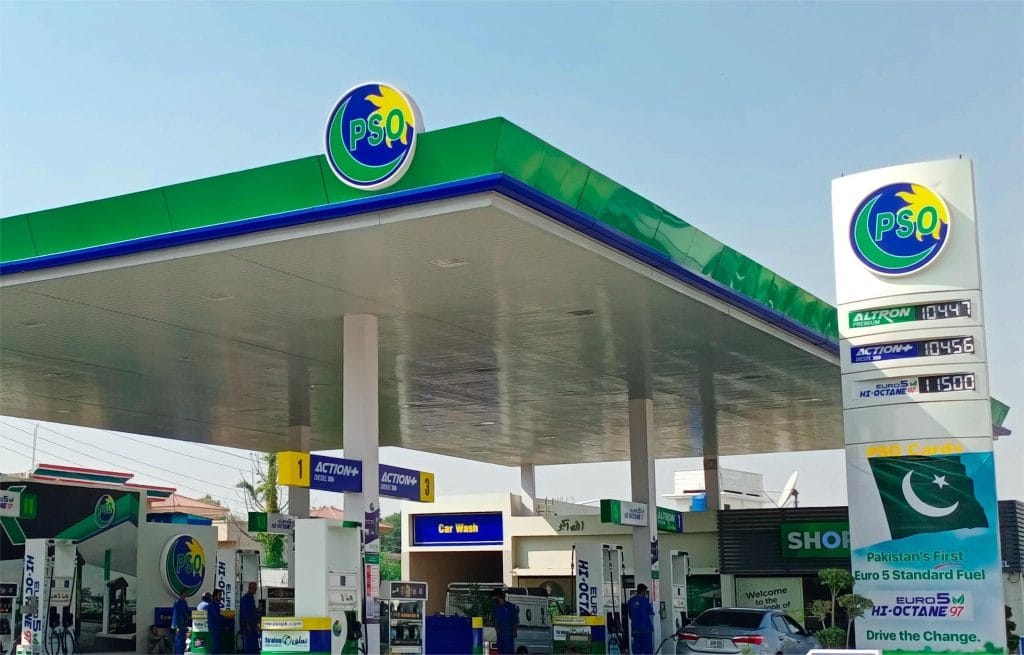
The surge in chicken prices cannot be viewed in isolation. Rising petroleum prices have added another layer of pressure on household budgets. During the week ending March 5, petrol prices increased by 3.06 percent, diesel by 1.84 percent, and LPG by 5.61 percent .
Transporters and traders argue that higher fuel costs increase transportation expenses, which inevitably translate into higher prices for essential goods in markets. With a heavy increase in petroleum prices expected around Eidul Fitr, analysts warn of another potential wave of inflation .
Regional Price Variations
Chicken prices vary significantly across different cities and even between neighboring markets:
- Peshawar: Live chicken at Rs415 per kg as of March 10
- Islamabad/Rawalpindi: Live chicken at Rs420 per kg, meat at Rs700-710 per kg
- General Markets: Chicken meat at Rs600 per kg in many areas
These variations reflect local market conditions, transportation costs, and the effectiveness of price monitoring mechanisms in different regions.
Consumer Impact and Protests
The sustained price increases have drawn strong reactions from consumers. In Mardan, residents staged protests against what they describe as a steady rise in food prices at a time when household consumption typically increases. They argue that the administration should have introduced measures to stabilize prices during Ramadan rather than endorsing upward revisions .
Citizens point out that Ramadan is meant to be a month of worship and spiritual reflection, but rising inflation makes it increasingly difficult for many families to arrange basic meals for Sehri and Iftar . The financial pressure is particularly acute for low-income households, who spend a larger proportion of their income on food.
Government Response and Enforcement Challenges
While the government has established “Nigehban Ramazan Bazaars” and announced official price lists to control inflation, these measures often fail to provide practical relief to the majority of citizens. In many areas, official price lists are not displayed, and enforcement remains weak .
Price control officials cite multiple challenges in their enforcement efforts. In Depalpur, the Price Control Magistrate noted that no notification regarding official rates for meat had been issued by the Deputy Commissioner, limiting their ability to take action against violators .
The Punjab government had taken strict measures for price control this year, but despite these efforts, rising inflation could not be contained, suggesting that more robust mechanisms may be needed .
Comparison with Other Food Items
While chicken prices surge amid Ramadan, other essential commodities have shown mixed trends. According to PBS data, some items have actually become cheaper during the holy month:
Item Price Change Period
- Tomatoes Down 10.04% Week ending March 5
- Eggs Down 8.13% Week ending March 5
- Onions Down 6.08% Week ending March 5
- Potatoes Down 5.09% Week ending March 5
- Wheat flour Down 2.40% Week ending March 5
At the start of Ramadan, eggs had actually become cheaper by Rs33 per dozen, and a 20kg flour bag dropped by as much as Rs47 . However, these declines have been overshadowed by sharp increases in chicken and fuel prices.
Outlook for the Remainder of Ramadan
With Eidul Fitr approaching, market observers expect continued pressure on chicken prices. The combination of festive demand, supply constraints, and rising input costs suggests that chicken prices may remain elevated through the end of Ramadan.
The expected increase in petroleum prices around the 19th of Ramadan could further intensify the inflation wave, potentially pushing chicken prices even higher . For consumers, this means household budgets will face continued strain during the final days of the holy month and the Eid celebrations that follow.
Analysis by Best Pak Mag:
The fact that chicken prices surge amid Ramadan reveals deeper structural issues in Pakistan’s food supply chain and price control mechanisms. At Rs600 per kg in open markets, poultry has become a luxury item for many households during a month traditionally associated with sharing and community. The 10.46 percent weekly increase recorded by the PBS confirms that this is not merely anecdotal but a systemic trend. Multiple factors converge here: rising feed costs due to stuck soybean shipments at Karachi port, increased transportation expenses from fuel price hikes, and the predictable demand surge during Ramadan. However, the failure of price control mechanisms is equally concerning. When official notifications exist but are not displayed, and when authorities claim inability to act without specific directives, consumers are left at the mercy of profiteers. The contrast between chicken’s sharp rise and the decline in items like tomatoes and eggs suggests that targeted interventions could work if properly enforced. As Eid approaches, the government faces a choice: strengthen market monitoring to protect consumers, or allow inflation to further erode the purchasing power of ordinary Pakistanis during what should be a time of celebration.
Read More Here: