
Qatar Halts LNG Supplies to Pakistan as Rates Spike to $100 Million per Shipment
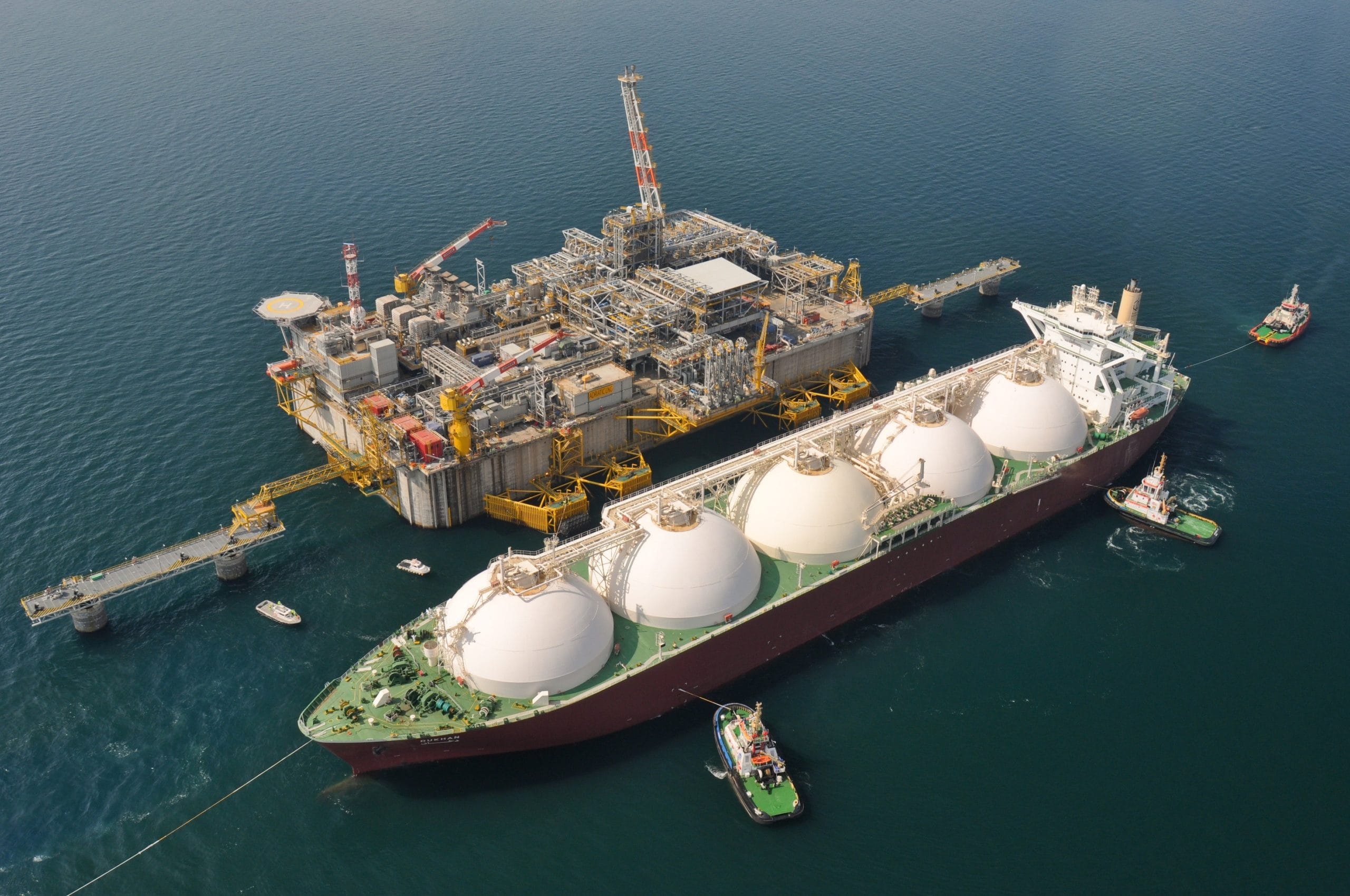
Pakistan’s energy crisis deepened this week as Qatar Halts LNG supplies to Pakistan indefinitely, citing force majeure due to the ongoing military conflict in the Middle East. Finance Minister Muhammad Aurangzeb confirmed to the Senate Standing Committee on Finance that Doha has suspended shipments under its long-term agreement, leaving Pakistan scrambling to secure alternative energy sources amid unprecedented global price spikes .
Qatar Halts LNG : The $100 Million Reality
The financial impact of the supply suspension is staggering. Minister Aurangzeb revealed that an LNG cargo previously priced around $25 million is now being offered in the international market for nearly $100 million due to the disruption in energy supply chains following the closure of the Strait of Hormuz .
This fourfold increase reflects the severe dislocation in global energy markets triggered by the US-Israeli strikes against Iran and the subsequent blockade of the strategic waterway through which roughly one-fifth of the world’s oil and LNG exports pass.
Read Also Here: Petrol Rates Could Push to Rs 500 per Litre in Pakistan
March Cargo Schedule Disrupted
According to officials from the Petroleum Division, QatarGas has formally informed Pakistan that shipments will remain suspended until the ongoing conflict ends . Pakistan was scheduled to receive eight LNG cargoes from Qatar during March 2026 under two long-term contracts. However, only two shipments have arrived so far .
The remaining six LNG cargoes, scheduled for March 7, 11, 12, 16, 20, and 21, will not be delivered under the current situation . This disruption comes despite Pakistan’s long-term agreements with the world’s second-largest LNG exporter, which typically ensure a steady supply of nine cargoes per month .
Government Confirmation and Response
Briefing the Senate Standing Committee on Finance, Finance Minister Aurangzeb said the situation in the region was changing rapidly and required immediate decisions regarding energy procurement and pricing . He warned that several countries in the region are already facing severe fuel shortages and rationing, noting that Sri Lanka and Bangladesh have introduced fuel rationing measures amid the ongoing market volatility .
Petroleum Minister Ali Pervaiz Malik told the committee that global crude oil prices were witnessing unprecedented fluctuations and that the availability of shipping insurance and premiums in international markets had also become difficult . He added that oil shipments from Saudi Arabia could take up to 15 to 20 days to reach Pakistan, highlighting the logistical challenges of securing alternative supply routes .
Load Management and Sectoral Impact
With supplies disrupted, authorities have decided to resort to load management for LNG consumers across various sectors . Officials said Pakistan will need to manage the existing LNG load carefully, and through load management from March 20 to 21, LNG availability can be maintained . However, the supply to industrial sectors and other areas in Pakistan is expected to be affected .
The shortage will particularly impact industries that rely heavily on Re-gasified Liquefied Natural Gas (RLNG) for their operations. Export-oriented industries have already slashed RLNG usage significantly in recent months, citing high prices .
Contingency Plans and Alternative Sources
Pakistan is actively exploring multiple contingency options to mitigate the supply disruption. According to officials, the country’s contingency plan includes immediately restoring domestic gas output to 350 million cubic feet per day, supply that had previously been curtailed due to pipeline pressure .
Islamabad is also considering buying as much as 250 million cubic feet per day of gas from Azerbaijan’s state-owned oil and gas company SOCAR . In July 2023, Pakistan inked a supply deal with SOCAR and could purchase additional LNG cargoes under a one-year framework agreement, which also has the potential to be extended for another year . However, the cargoes are dependent on availability as SOCAR has fixed contracts with China, India, and Japan that could limit availability .
The government has also established a ministerial committee to monitor petroleum products and energy prices on a daily basis under the direction of the prime minister . Additionally, Pakistan is considering shifting to weekly oil price revisions from the current fortnightly system to respond more quickly to volatile global market conditions .
Supply Routes and Alternative Pathways
The closure of the Strait of Hormuz has forced Pakistan to explore alternative supply routes. Officials report that Saudi supplies of finished products could be routed through the Red Sea, while imports from the UAE via Fujairah are outside the troubled route . A PNSC vessel carrying crude oil is scheduled to sail from Yanbu port in Saudi Arabia to Karachi, offering some relief .
However, Petroleum Minister Malik cautioned that shipments from Saudi Arabia could take up to 15 to 20 days to reach Pakistan, creating a significant timing gap .
Historical Context of LNG Contracts
Pakistan’s LNG challenges predate the current crisis. The country had already been struggling with a mounting surplus of imported gas, leading to requests for cargo diversions even before the conflict began. In late 2025, Pakistan asked Qatar to divert 24 contracted LNG cargoes from its 2026 supply plan to the international market due to declining domestic demand and mounting financial strain on its gas infrastructure .
The request was made under the Net Proceed Differential clause in Pakistan’s long-term LNG contracts with Qatar, which allows the resale of excess cargoes abroad . However, the clause offers limited financial relief, as Qatar retains profits from international sales, while Pakistan bears any losses if spot market prices fall below the contracted rate .
Similarly, Pakistan had agreed to cancel 21 LNG cargoes under its long-term Eni contract for 2026 and 2027 as the country grappled with a surplus of imported gas . The Eni contract, signed in 2017, committed to delivering one cargo per month until 2032 .
Irony of the Current Situation
There is a bitter irony in Pakistan’s current predicament. Just months ago, the country was actively seeking to reduce LNG imports due to oversupply and falling demand. Pakistan’s long-term LNG supply deals with Qatar and Eni together covered around 120 cargoes a year, but demand from power producers dropped amid higher solar and hydropower output .
The glut had forced Pakistan to sell gas at steep discounts, curb local production, and consider offshore storage or reselling excess cargoes . Some industry observers had even pointed to Pakistan’s LNG retreat as a signal of broader global trends, with the rapid buildout of solar and battery storage reducing the role of gas in electricity systems worldwide .
Now, with Qatar halting LNG supplies due to the conflict, Pakistan faces the opposite problem: a severe shortage of the very fuel it had recently been trying to offload.
Official Assurances Amid Crisis
Despite the gravity of the situation, officials are attempting to reassure the public. Federal Minister for Commerce Jam Kamal told media outside Parliament House that LNG will arrive from Qatar as planned, but alternative fuel options are also available . He noted that the responsibility for imports and exports lies with shipping lines, which must fulfill their obligations .
The minister added that due to container risk insurance and other logistical costs, negative effects are starting to appear, affecting the entire region. He emphasized that this route is crucial for regional trade and energy supply, and countries dependent on energy resources from Gulf nations will also be impacted.
Meanwhile, the Oil and Gas Regulatory Authority has assured the public that the country currently holds sufficient stocks of petroleum products to meet national demand and there is no need for panic buying or hoarding . The existing stock position remains comfortable and well within prescribed requirements .
Monitoring and Anti-Hoarding Measures
The federal government has asked all provincial governments to ensure physical inspection and monitoring of retail petrol stations through respective deputy commissioners to avoid hoarding of petroleum products for undue profiteering .
OGRA teams are actively monitoring the situation in the field, conducting inspections at oil depots and retail outlets to ensure smooth supply of petroleum products and to prevent any malpractice . The public has been advised not to pay attention to rumors and to continue normal consumption patterns, as the petroleum supply situation in the country remains stable .
Analysis by Best Pak Mag:
The news that Qatar halts LNG supplies to Pakistan represents a seismic shock to the country’s already fragile energy infrastructure. The fourfold price increase from $25 million to $100 million per cargo illustrates the extreme dislocation in global markets following the Strait of Hormuz closure. There is a cruel historical irony here: just months ago, Pakistan was actively trying to offload LNG cargoes due to oversupply, with the government requesting Qatar to divert 24 shipments in 2026 . The rapid shift from glut to shortage demonstrates how geopolitical events can upend even the most carefully laid energy plans. With only two of eight March cargoes delivered, the impact on industrial consumers will be severe . Export-oriented industries had already slashed RLNG usage from 350 mmcfd to just 100 mmcfd due to high prices . Now they face outright shortages. The government’s contingency plans—restoring domestic gas output and exploring supplies from Azerbaijan’s SOCAR—are sensible but limited . SOCAR’s fixed contracts with other Asian buyers mean availability is not guaranteed. The 15 to 20 day transit time for Saudi shipments through the Red Sea creates a dangerous gap . For ordinary Pakistanis, the consequences will manifest in higher electricity tariffs, industrial closures, and potential job losses. The coming weeks will test whether Pakistan’s energy infrastructure can withstand this unprecedented shock.
Read More Here: