
High Octane Fuel Price in Pakistan Surges After Rs200 Levy Increase
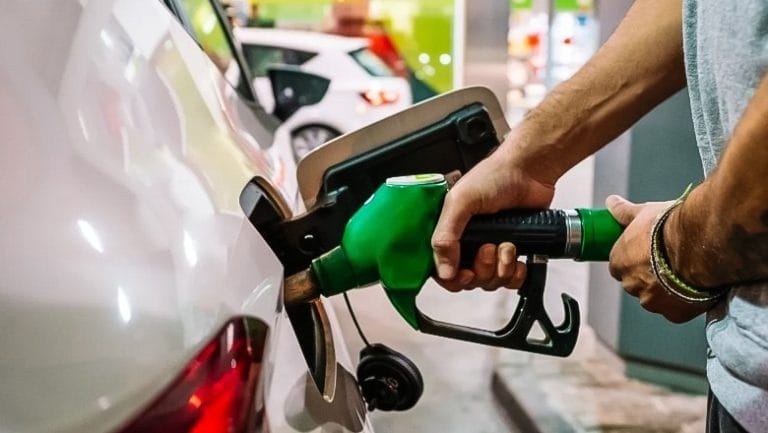
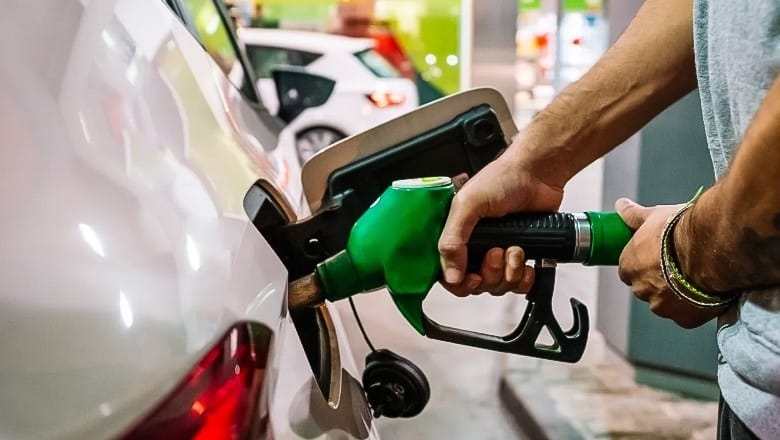
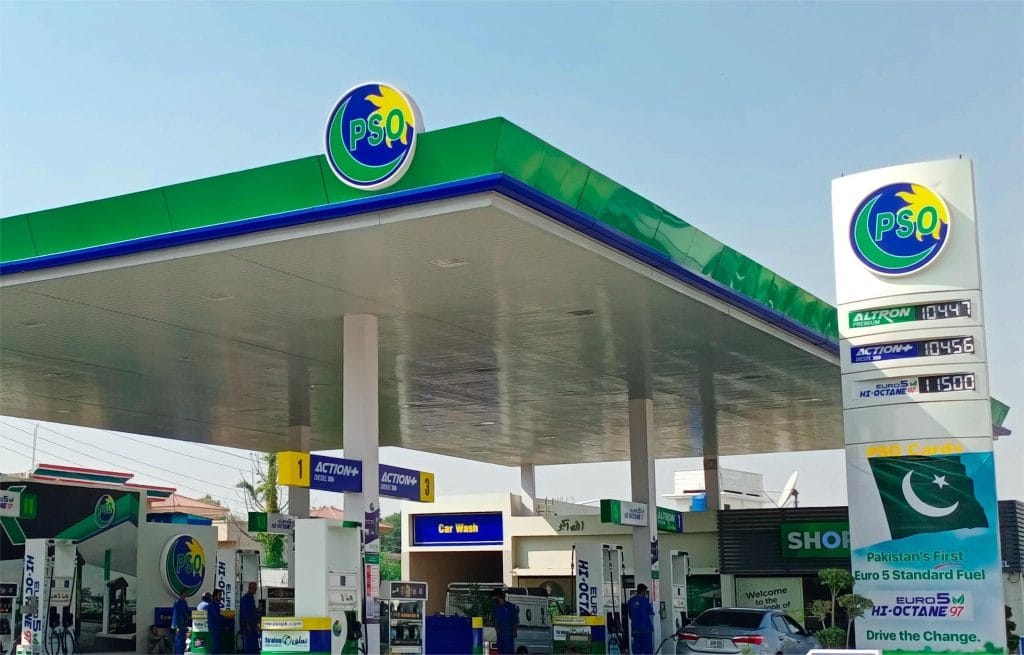
The high octane fuel price in Pakistan witnessed a dramatic surge over the weekend, with the government imposing an additional Rs200 per litre petroleum levy on the premium-grade fuel. The decision, announced by Prime Minister Shehbaz Sharif on Sunday, March 22, 2026, has pushed the retail price of high-octane petrol to approximately Rs535 per litre, while regular petrol remains unchanged at Rs321 per litre .
Current High Octane Fuel Price
Following the government’s directive, the levy on high-octane fuel has been increased from Rs100 per litre to Rs300 per litre . This has resulted in retail prices ranging between approximately Rs530 and Rs610 per litre at different stations across the country .
Read Also Here: Pakistan Received Petrol & Crude Oil Tankers at Port Qasim
Fuel Type Price per Litre (PKR) Levy (PKR)
- Regular Petrol (MS) Rs321.17 Rs105
- High Octane Petrol Rs535 Rs300
- High Speed Diesel Rs335.86 –
- Kerosene Oil Rs428.74 –
Why the Increase Was Imposed
The government’s decision to raise the high octane fuel price comes amid a global oil crisis triggered by the ongoing US-Israel conflict with Iran and the subsequent closure of the Strait of Hormuz . The blockade has disrupted global energy supply chains, causing crude oil prices to surge.
The Prime Minister’s Office stated that the move aims to generate approximately Rs9 billion in monthly revenue, which will be used to provide relief to the public . Officials emphasized that the levy targets luxury vehicle owners who predominantly use premium fuel, while protecting lower and middle-income citizens who rely on regular petrol .
Government Justification
A statement from the Prime Minister’s Office explained: “The prime minister took notice that the levy on high-octane fuel used in the most expensive vehicles should be increased. This decision will reduce the burden on the economy; the richest class in the country will bear the burden” .
The government has assured that the high octane fuel price increase will not impact public transport fares or air travel costs, as these sectors primarily use regular petrol and diesel .
Market Impact: Sales Plunge
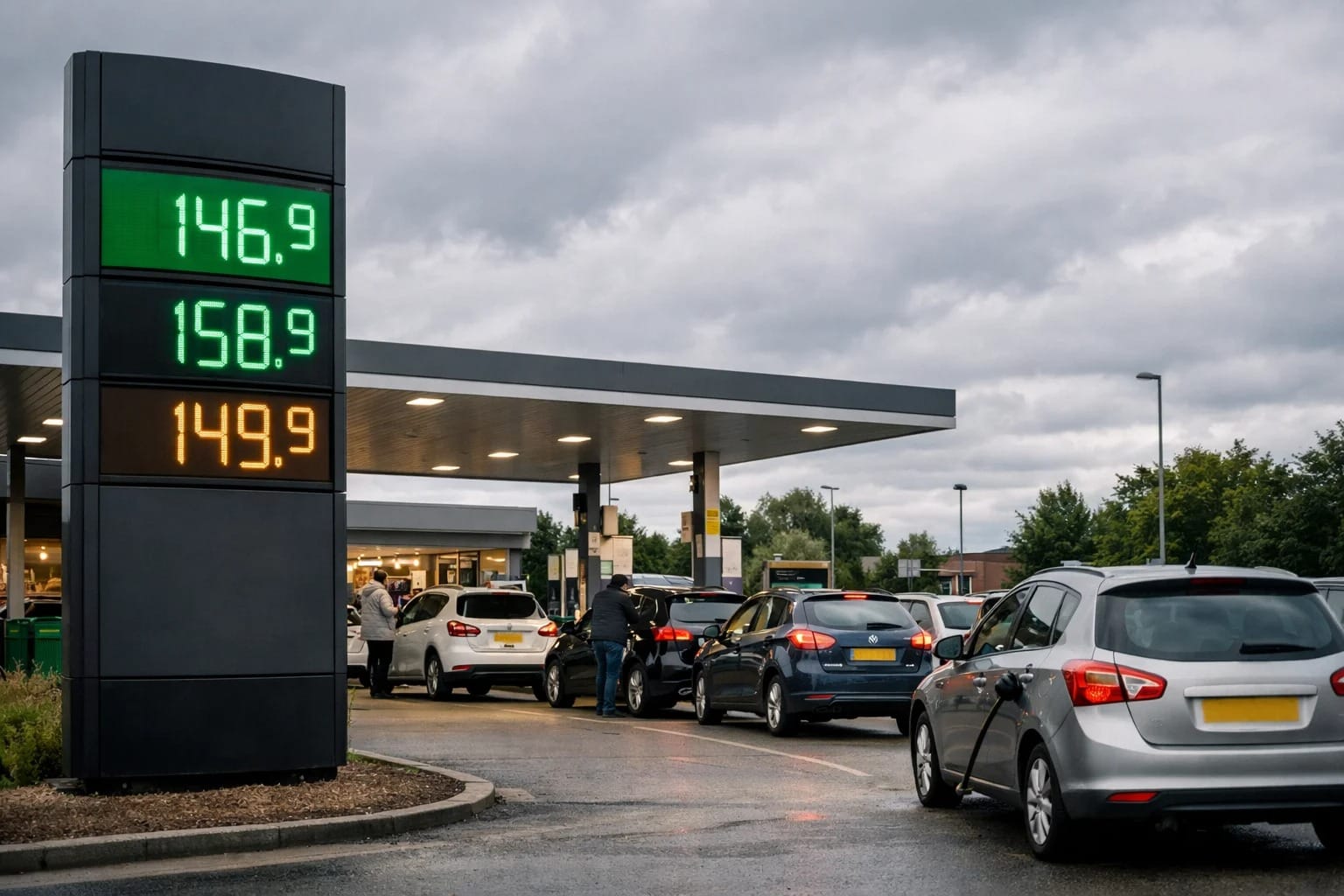
The surge in high octane fuel price has triggered an unprecedented decline in sales at petrol pumps across major cities. In Islamabad, many stations reported “customer-less” days, particularly for premium fuel .
A petrol pump owner in the capital told Pakistan Observer: “Since last night, demand has drastically fallen. Only a couple of cars pulled in, and when we informed them that the price had jumped almost 90 per cent, they refused to buy. One commuter even pulled the nozzle out himself, saying he didn’t want it anymore” .
Motorists have expressed frustration and disbelief over the sudden spike. Naeem, a private company executive filling fuel near Jinnah Avenue, said: “I thought the staff was joking when they told me the price. Rs600 per litre is simply unreasonable” .
Austerity Measures on Government Vehicles
In a related move, Prime Minister Shehbaz Sharif banned the use of high-octane fuel in government vehicles as part of broader austerity measures . The Prime Minister’s Office announced that action would be taken against government officials using high-octane fuel in official vehicles, and officials would have to bear the cost from their own pockets if they chose to use it .
Consumer Shift Toward Electric Vehicles
The sharp increase in high octane fuel price is rapidly changing consumer behavior, particularly among SUV owners. According to industry experts, the economics of driving premium vehicles is undergoing a significant shift, with consumers increasingly tilting toward plug-in hybrid electric vehicles (PHEVs) and range-extended electric vehicles (REEVs) .
Syed Asif Ahmed, Director Sales and Marketing at Chery Master Pakistan, explained that a typical luxury SUV using high-octane fuel now costs approximately Rs53–54 per kilometre to run, making daily usage increasingly expensive . In contrast, a plug-in hybrid SUV running on electricity costs approximately Rs10 per kilometre .
“At these price levels, running a conventional petrol SUV is becoming a serious burden on household budgets,” Ahmed said. “For Pakistani consumers, especially SUV users, this is now a straightforward economic decision” .
Regular Petrol Prices Remain Stable
The government has maintained regular petrol prices at Rs321.17 per litre, unchanged since the Rs55 increase implemented earlier this month . High-speed diesel also remains stable at Rs335.86 per litre .
The Oil and Gas Regulatory Authority (OGRA) has dismissed rumors of a massive price hike for regular petrol, describing social media reports of a Rs73 increase as “completely baseless and misleading” .
However, global oil prices continue to rise amid Middle East tensions, with Brent crude trading at $112.86 per barrel and US crude at $99 per barrel . Analysts warn that further price adjustments may be necessary if the situation persists.
Analysis by Best Pak Mag:
The sharp increase in high octane fuel price represents a targeted fiscal measure aimed at generating revenue while shielding lower-income consumers from additional burden. By raising the levy on premium fuel by 200 percent to Rs300 per litre while keeping regular petrol unchanged, the government has attempted to balance economic pressures with public welfare . The estimated Rs9 billion monthly revenue will be directed toward public relief, though critics argue that the move may not achieve its intended revenue targets if demand collapses . Already, petrol pump owners report dramatically reduced sales, with luxury vehicle owners either switching to regular petrol or reconsidering their vehicle choices entirely . The surge is accelerating Pakistan’s shift toward new energy vehicles, with plug-in hybrids offering running costs of approximately Rs10 per kilometre compared to Rs53–54 for high-octane SUVs . The ban on high-octane use in government vehicles adds symbolic weight to the austerity drive, though its actual fiscal impact remains limited given the relatively small fleet of official vehicles . As global oil prices remain elevated due to the Strait of Hormuz closure, the government faces continued pressure. Whether the revenue from this levy successfully translates into tangible public relief will determine the policy’s ultimate success.
Read More Here: