
Petrol Price in Pakistan Holds Steady as High Octane Fuel Surges
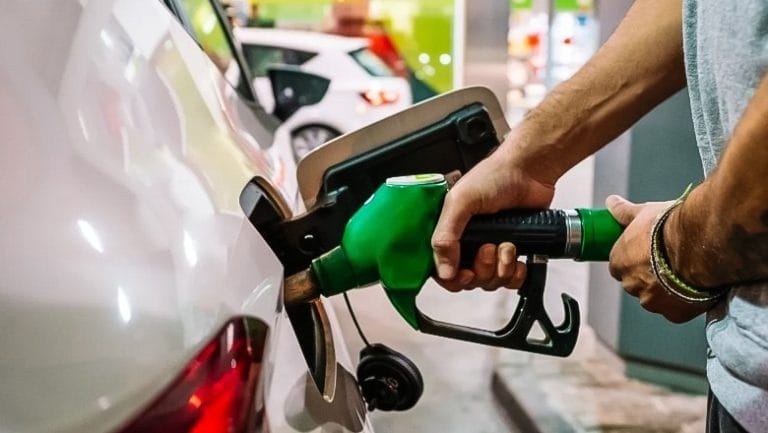
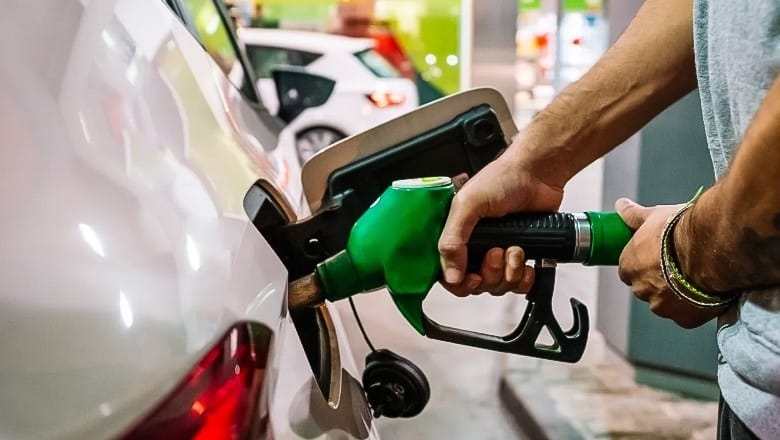
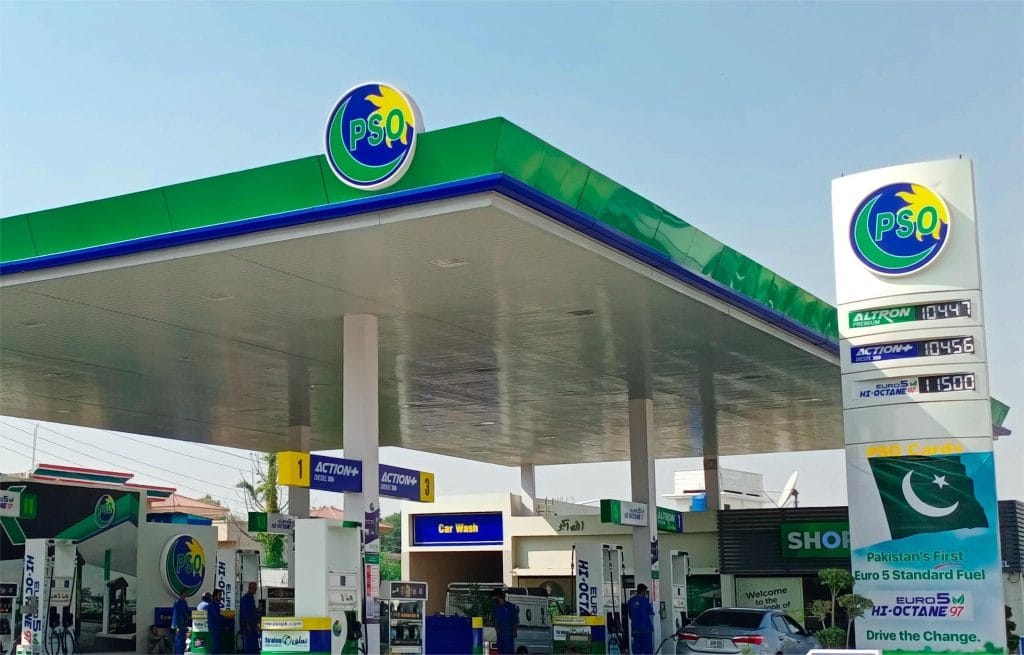
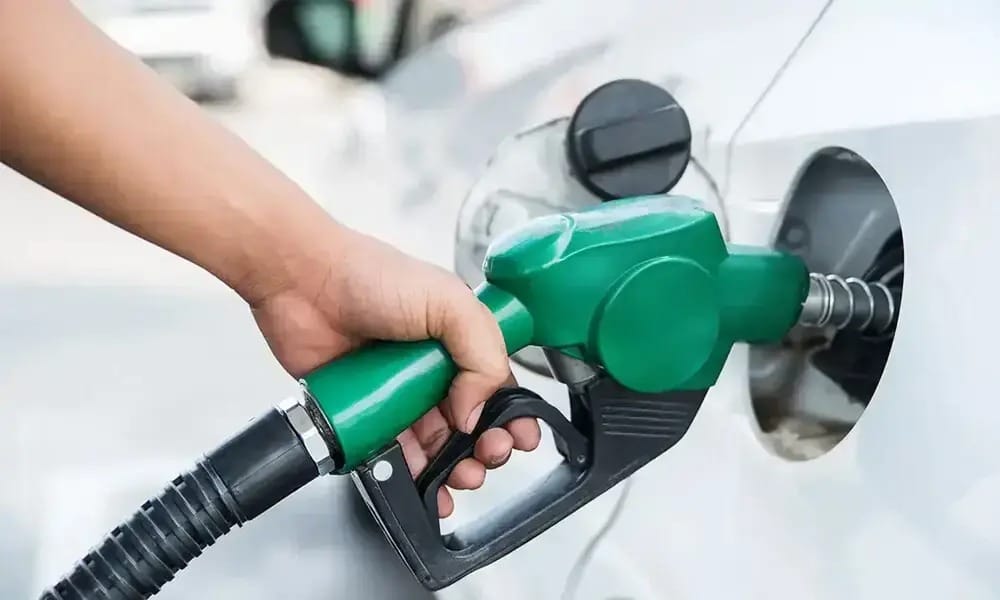
The petrol price in Pakistan remained unchanged for the week of March 24, 2026, holding at Rs321.17 per litre following the government’s decision to absorb rising global oil costs through subsidies . This marks the second consecutive week of stable petrol rates, providing relief to ordinary consumers during the ongoing Middle East crisis .
Petrol Price in Pakistan
Current Fuel Prices in Pakistan (March 24, 2026)
Fuel Type Price per Litre Change
- Petrol (Super) Rs321.17 Unchanged
- High Speed Diesel Rs335.86 Unchanged
- High Octane Petrol Rs535 +Rs200 levy
- Kerosene Oil Rs428.74 +Rs70.73*
*Kerosene price increased in previous adjustment
The government’s decision to keep the petrol price in Pakistan stable comes despite rising international oil prices, with global benchmarks remaining above $100 per barrel due to the ongoing US-Israel conflict with Iran and the closure of the Strait of Hormuz .
Read Also Here: High Octane Fuel Price in Pakistan Surges to Rs535 per Litre
Subsidies to Protect Consumers
Federal Minister Musadik Malik stated that the government is absorbing a substantial subsidy to maintain current fuel prices. According to officials, the government is providing over Rs127 per litre in subsidy on petrol and more than Rs200 per litre on diesel to shield consumers from the full impact of global price surges .
These subsidies, reportedly costing the government Rs23 billion, demonstrate the administration’s commitment to protecting lower and middle-income citizens during the current economic crisis .
High Octane Fuel Levy Increases Sharply
While regular petrol remains stable, the government imposed a significant Rs200 per litre levy increase on high octane fuel, raising the total levy to Rs300-305 per litre and pushing the retail price to approximately Rs535 per litre .
The decision, announced by Prime Minister Shehbaz Sharif on March 22, targets luxury vehicle owners who primarily use premium fuel . The government expects the measure to generate approximately Rs9 billion in monthly revenue, which will be directed toward public relief programs .
Ban on High Octane Use in Government Vehicles
Following the levy increase, the Prime Minister banned the use of high octane fuel in all government vehicles, with the order taking immediate effect . If the use of premium fuel in any government vehicle is unavoidable, the user must bear the cost personally .
The Prime Minister’s Office stated that the purpose is to ensure the efficient and responsible use of national resources. PM Shehbaz directed all federal departments to ensure immediate and full implementation of the ban .
Market Impact: Sales Plunge
The surge in high octane prices has triggered an unprecedented decline in sales at petrol pumps across major cities. In Islamabad, many stations reported “customer-less” days, particularly for premium fuel .
A petrol pump owner in the capital told Pakistan Observer: “Since last night, demand has drastically fallen. Only a couple of cars pulled in, and when we informed them that the price had jumped almost 90 per cent, they refused to buy” .
Consumer Shift Toward Hybrid Vehicles
With the petrol price in Pakistan remaining above Rs320 per litre and high octane surging to Rs535, consumers are rapidly shifting toward plug-in hybrid electric vehicles (PHEVs) and range-extended electric vehicles (REEVs) .
Industry experts note that a typical petrol-powered SUV now costs approximately Rs32 per kilometre to run, while a plug-in hybrid running primarily on electricity costs roughly Rs10 per kilometre . This represents a significant economic incentive for consumers to transition away from conventional fuel-powered vehicles .
Potential Future Increases
Federal Minister for National Food Security Rana Tanveer Hussain warned that if the Iran-US conflict prolongs, Pakistan may be forced to increase petroleum prices further . However, he assured that the government would provide maximum relief to motorcyclists and ordinary consumers .
Insiders suggest that future price adjustments remain possible, with OGRA reportedly considering a potential increase of Rs55 per litre for petrol and Rs75 per litre for diesel in the coming weeks . However, the government has demonstrated a commitment to maintaining stability through subsidies .
OGRA Denies Rumors of Massive Hike
The Oil and Gas Regulatory Authority (OGRA) has dismissed recent social media reports claiming that petrol prices would increase by Rs73 per litre, describing such rumors as “completely baseless and misleading” . The regulator urged the public to rely only on official government announcements for fuel price decisions .
Analysis by Best Pak Mag:
The decision to keep the petrol price in Pakistan stable at Rs321.17 per litre while sharply increasing high octane fuel levy reflects the government’s targeted approach to managing the fuel crisis. By absorbing over Rs127 per litre in subsidies for regular petrol, the administration is protecting lower and middle-income citizens from the full impact of global price surges . At the same time, the Rs200 levy increase on high octane fuel, pushing its price to Rs535 per litre, strategically targets luxury vehicle owners who can bear higher costs . The immediate ban on high octane use in government vehicles adds symbolic weight to the austerity drive . The market response has been immediate—premium fuel sales have plunged dramatically as consumers either switch to regular petrol or reconsider their vehicle choices entirely . This is accelerating Pakistan’s shift toward plug-in hybrids, with running costs of approximately Rs10 per kilometre compared to Rs53-54 for high octane SUVs . However, the sustainability of the Rs23 billion subsidy remains in question if the Middle East conflict persists . Officials have warned that further increases may be necessary if the crisis prolongs, though the government remains committed to protecting vulnerable segments .
Read More Here:
High Octane Fuel Price in Pakistan Surges to Rs535 per Litre