
Petrol Rate in Pakistan: Latest Update (April 6, 2026)
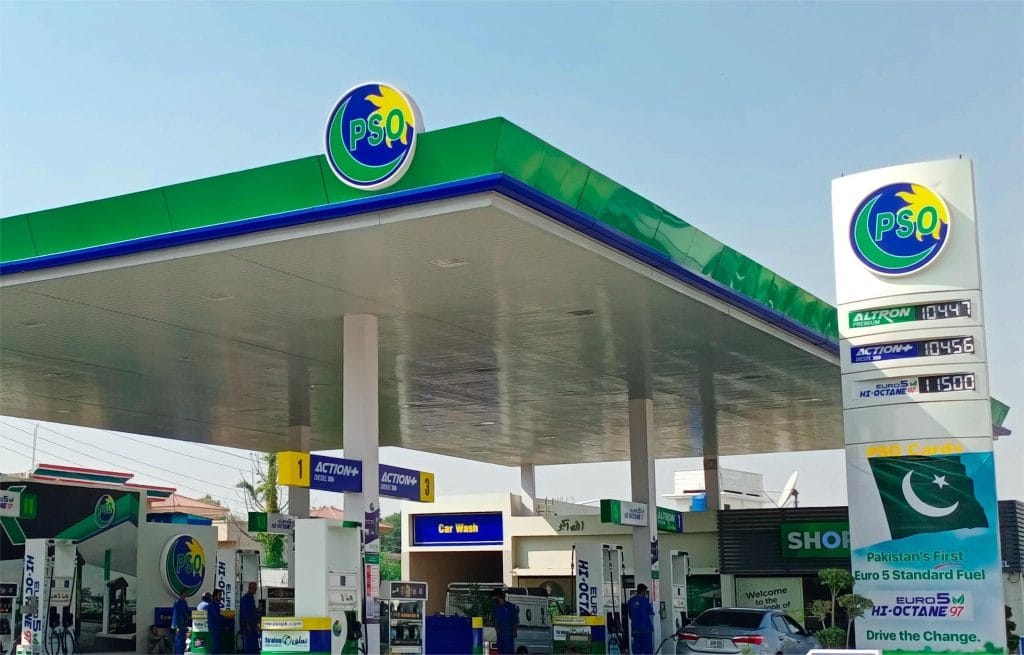
Petrol Rate in Pakistan : In a major policy reversal following public outcry, Prime Minister Shehbaz Sharif announced an urgent relief package on April 4, 2026, cutting the petroleum levy by Rs80 per litre. This brought the price of petrol down from Rs458.41 to Rs378 per litre .
The government had initially increased petrol prices by a staggering 43% (Rs137.23 per litre) just two days earlier, on April 2, due to spiking global oil prices amid the US-Israel war on Iran . The sharp hike triggered immediate inflationary concerns across the country, prompting the government to act swiftly with relief measures .
Current Fuel Petrol Rate in Pakistan (Effective April 4, 2026)
Product Previous Price (April 2) Current Price Change % Change
Petrol (Motor Gasoline) Rs458.41 Rs378.00 -Rs80.41 -17.5%
High-Speed Diesel (HSD) Rs520.35 Rs520.35 No change —
Superior Kerosene Oil (SKO) Rs457.80 Rs457.80 No change —
Light Diesel Oil (LDO) — As per market — —
Sources: Pakistan Observer, Government of Pakistan announcement
Note: Diesel prices remain unchanged at Rs520.35 per litre, as the government reduced the petroleum levy on HSD to zero to prevent further burden on the transport and agriculture sectors .
Read Also Here: Petrol Pump Owners Warn to Shutdown Amid Fuel Crisis
Price History: A Volatile Week
Date Event Petrol Price Change
March 2026 (pre-crisis) Stable prices ~Rs321.17 —
April 2, 2026 Initial hike (43% increase) Rs458.41 +Rs137.23
April 4, 2026 Levy cut announced Rs378.00 -Rs80.41
The initial hike on April 2 marked the highest fuel prices in Pakistan’s history, with petrol crossing Rs458 and diesel exceeding Rs520 per litre . The government had absorbed price shocks for three weeks prior, spending Rs129 billion from national resources to shield citizens, before the inevitable hike .
Government Relief Package: Targeted Subsidies
Recognizing the impact on lower and middle-income groups, the government announced a comprehensive subsidy program alongside the price reduction :
For Motorcyclists
Rs100 per litre subsidy on petrol
Monthly cap of 20 litres per motorcycle
Valid for three months
For Transport Sector
Vehicle Type Subsidy Amount Duration
Intercity buses Rs100,000 per month 1 month
Large goods trucks Rs80,000 per month 1 month
Small trucks Rs70,000 per month 1 month
Goods/public transport vehicles Rs100 per litre 1 month
For Farmers
Rs1,500 per acre one-time financial assistance
Targeted at small farmers during harvest season
For Railways Passengers
Economy class fares frozen by Pakistan Railways
No increase in ticket prices for low-income travelers
Helpline for Price Violations
The Balochistan government has established a dedicated helpline (1129) for citizens to report overcharging or profiteering at petrol pumps .
Petroleum Levy Breakdown
The government adjusted petroleum levies to manage the price shock :
Product Levy Before Crisis Levy After April 2 Hike Levy After April 4 Cut
Petrol ~Rs84.4/litre Rs160.61/litre ~Rs80/litre
Diesel (HSD) ~Rs55/litre Rs0/litre Rs0/litre
The petroleum levy on petrol was halved from Rs160 to approximately Rs80 per litre following the Prime Minister’s intervention .
Reason for Price Hike: The Global Context
The unprecedented fuel price increase was triggered by the escalating US-Israel military conflict with Iran, which disrupted global oil supply routes and sent international crude prices soaring .
Key Factors:
- Geopolitical tensions in the Middle East affecting oil shipments through the Strait of Hormuz
- Global crude price surge impacting import-dependent nations like Pakistan
- Supply chain disruptions leading to record-high international fuel rates
Petroleum Minister Ali Pervaiz Malik described the initial hike as a “difficult but necessary decision” to maintain fiscal discipline and preserve economic stability achieved under the IMF program .
IMF Concerns and Economic Implications
The International Monetary Fund (IMF) has expressed concerns over Pakistan’s blanket fuel relief measures. The Fund has asked Pakistan to remove distortions in petroleum pricing and remains opposed to across-the-board relief on petroleum products .
Key IMF Concerns:
- Zero levy on diesel against a budgeted target of Rs80 per litre creates revenue gaps
- Blanket subsidies risk misallocation of scarce resources in a country with limited fiscal space
- Revenue pressures have intensified after the Rs80 per litre petrol price cut
The government has assured that the Rs152 billion petroleum subsidy was implemented with the IMF’s prior knowledge, and the staff-level agreement reached on March 29 remains intact .
Market Closures and Conservation Measures
As part of fuel conservation efforts amid the global energy crisis, the government has announced that all markets across Pakistan will close at 8:00 PM starting April 6, 2026 . Additional measures include:
- Weekend school holidays
- Ban on non-essential vehicle usage in government departments
- Early closure of commercial areas to save electricity
What’s Next
Petrol prices remain subject to fluctuations based on:
- Developments in the Middle East conflict
- International crude oil price movements
- Exchange rate stability
- IMF reviews and policy adjustments
The government has indicated that the subsidy mechanism will be reviewed periodically, and the pricing structure may require reassessment in the coming days.
Analysis by Best Pak Mag:
The dramatic U-turn in petrol pricing within 48 hours reflects the immense pressure the Pakistani government faces in balancing economic realities with political compulsions. The initial 43% hike—pushing petrol to a historic Rs458.41 per litre—was an inevitable response to global oil prices spiraling out of control due to the US-Israel war on Iran . However, the immediate public backlash forced the government to absorb an additional Rs80 per litre through levy cuts, bringing the price down to Rs378 .
While the relief package provides temporary respite—particularly for motorcyclists, farmers, and transporters—analysts warn that such reactive policymaking may signal deeper structural issues . The IMF has already raised concerns about pricing distortions and the zero levy on diesel, which could create significant revenue shortfalls .
The government spent Rs129 billion shielding citizens before the April 2 hike and has now introduced further subsidies without a clear long-term funding mechanism . With fuel stocks covering approximately 26 days for petrol and 20 days for diesel, and additional cargoes in transit, Pakistan remains vulnerable to continued global price volatility .
For the common citizen, the reduced petrol price offers some relief at the pump, but the broader impact on inflation—particularly food and transport costs—will depend on how effectively the subsidy mechanism is implemented and whether global tensions de-escalate in the coming weeks.
Read More Here: