
Gold Prices Fall Back to Previous Value in Pakistan
Gold prices in Pakistan retreated on Tuesday, reversing the gains seen just a day earlier. The shift follows similar declines in the global bullion market, where gold fell sharply amid investor caution and shifting macroeconomic signals. For many Pakistanis who track daily gold movements—whether for investment, jewellery buying, or saving—these fluctuations are becoming increasingly frequent as global uncertainty continues.
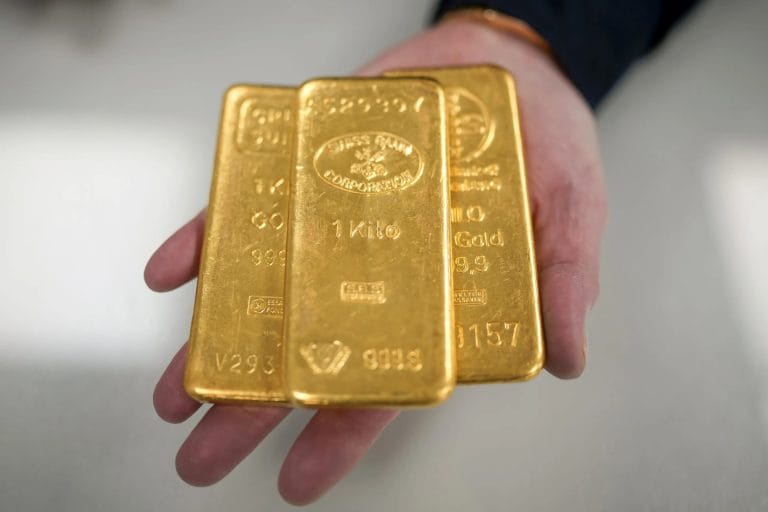
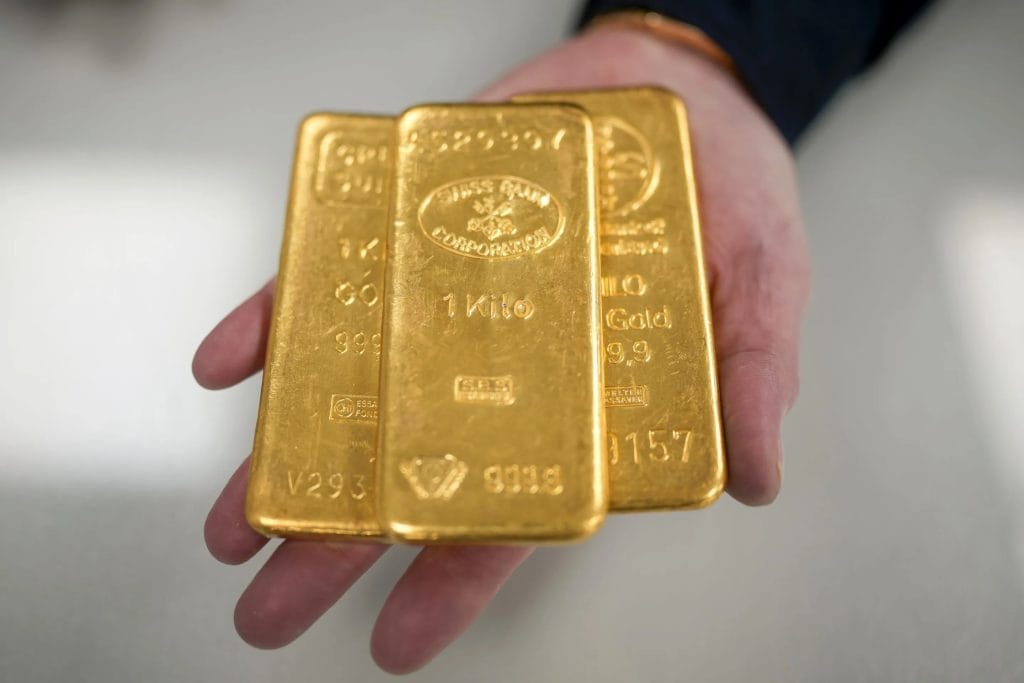
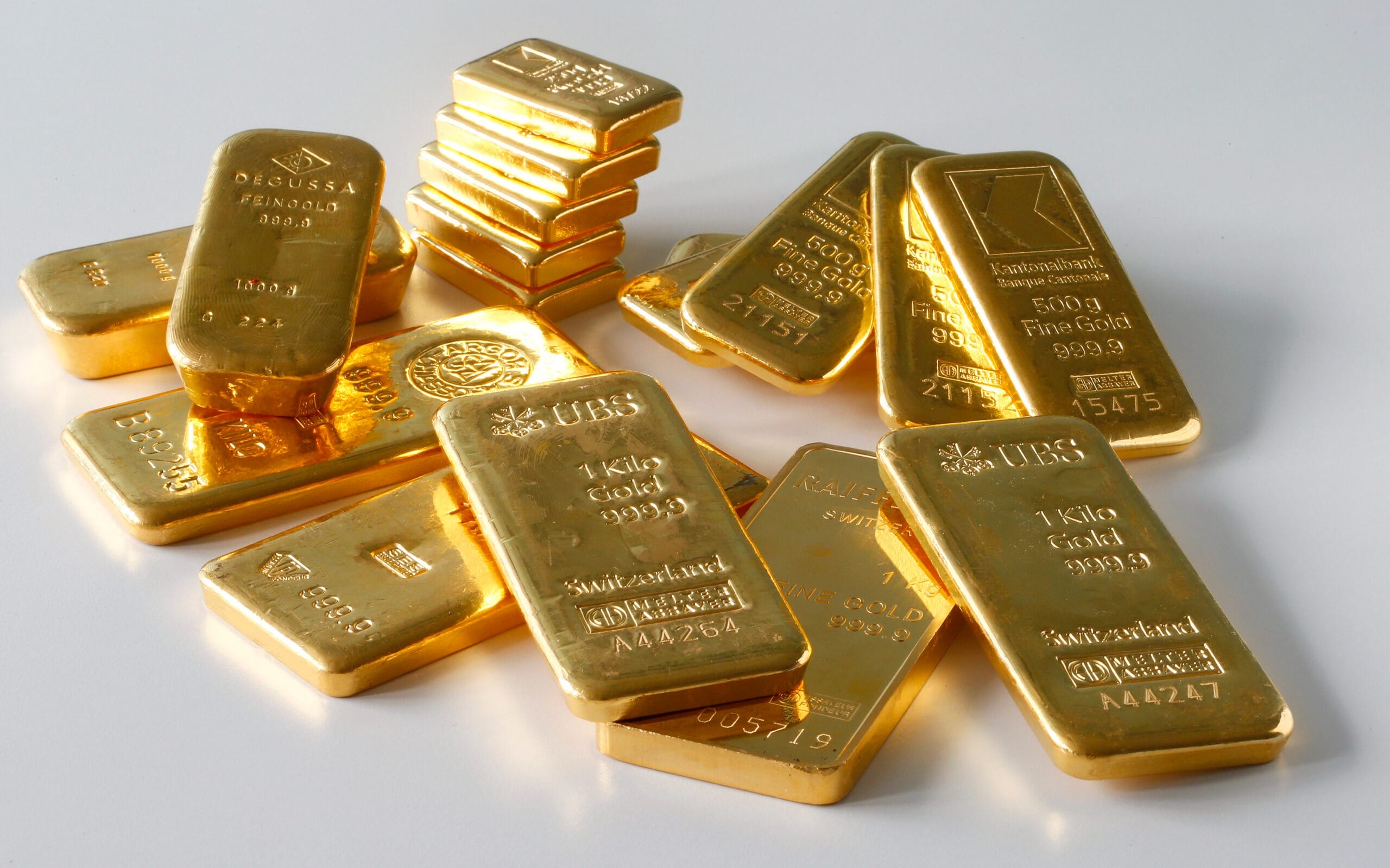
According to the All-Pakistan Gems and Jewellers Sarafa Association (APGJSA), the price of gold per tola dropped by Rs. 1,900, bringing the new rate to Rs. 441,862. Likewise, 10-gram gold fell by Rs. 1,629, settling at Rs. 378,825. These changes erased Monday’s rise when gold had climbed Rs. 1,600 per tola to hit Rs. 443,762.
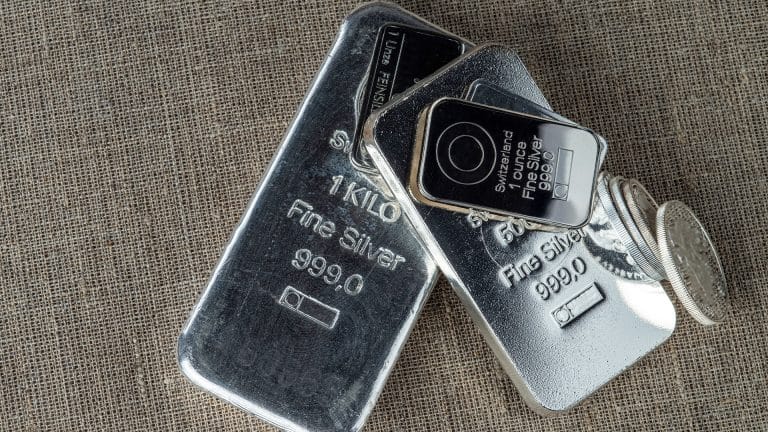
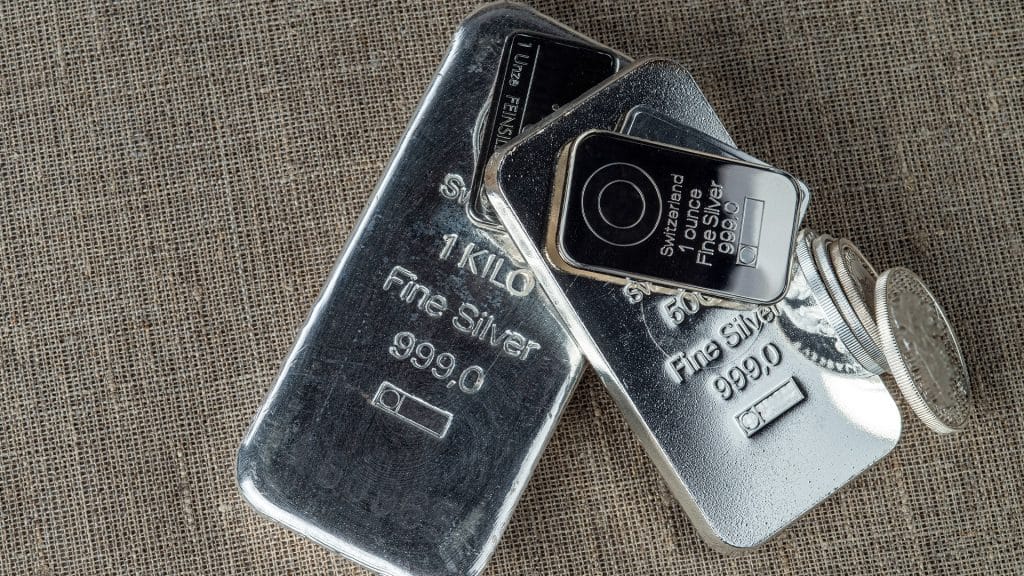
The international market mirrored the same downward direction. Global gold fell by $19, with the premium-inclusive price reaching $4,195 per ounce. In contrast, silver prices in Pakistan remained stable at Rs. 6,102 per tola, showing no change.
This price movement has once again brought attention to the sensitive nature of gold rates, heavily influenced by global cues such as inflation updates, geopolitical tensions, and interest rate speculation.
Why Gold Prices Dropped Today
Gold rates respond instantly to global market movements, and today’s drop is attributed to multiple international factors. The decline in the global bullion price put downward pressure on domestic prices, which rely significantly on international parity due to import dependency.
A key reason for the fall is investor repositioning ahead of new U.S. inflation data. Whenever inflation reports are due, global markets become cautious, leading investors to reduce exposure to gold in anticipation of interest-rate-related decisions. When interest rates rise or are expected to rise, gold becomes less attractive as it does not yield interest—prompting sell-offs that cause prices to dip.
Additionally, the strengthening of the U.S. dollar against major currencies contributes to cheaper gold worldwide. A stronger dollar makes gold more expensive for holders of other currencies, thus reducing demand and lowering prices.
Read Also Here: Gold Price In Pakistan Surge Again Amid Global Market
Domestic Market Reaction in Pakistan
Pakistan’s gold market is extremely sensitive to global shifts because the country imports the bulk of its bullion. Even minor international changes lead to near-immediate rate adjustments locally.
The APGJSA noted that despite Monday’s upward move, Tuesday’s fall wiped out those gains, taking the price back near its earlier levels. Traders observed a slowdown in buying activity, especially among jewellers who prefer to avoid stocking gold during volatile periods.
While prices dropped today, many dealers expect continued fluctuations throughout the week, depending on U.S. inflation numbers and Federal Reserve commentary.
Silver’s unchanged position at Rs. 6,102 per tola indicates stability in that segment, although experts caution that silver typically mirrors gold with a slight delay.
Historical Context: Gold Price Trends in Pakistan
To understand today’s decline, it helps to look at the broader historical context of gold rates in Pakistan.
Over the past decade, gold has shown a strong upward trajectory, driven by inflation, currency depreciation, and global economic instability. In 2010, gold per tola hovered around Rs. 40,000–50,000. By the early 2020s, it crossed Rs. 200,000. In recent years, rapid rupee depreciation, increased import costs, and global market surges pushed gold to unprecedented heights above Rs. 400,000 per tola.
During events like the COVID-19 pandemic, geopolitical tensions, and global recessions, gold traditionally acts as a safe-haven asset. Investors pour money into gold to protect their wealth, causing prices to rise sharply.
Pakistan’s gold market is also linked to the rupee-dollar exchange rate. Every fluctuation in the rupee impacts bullion prices. For instance, when the rupee weakened significantly in 2022–2023, gold jumped dramatically.
Thus, today’s decline is just another instance in the broader pattern of volatility shaped by global economic pressures and the nation’s dependency on imported bullion.
Global Factors Influencing Gold Prices
Several global forces continue to impact gold rates:
1. U.S. Inflation Data
Inflation numbers affect expectations around interest rates, which in turn dictate gold demand.
2. Dollar Strength
A stronger dollar usually puts downward pressure on gold prices.
3. Geopolitical Tensions
Events such as conflicts or economic crises typically push gold upward as investors seek safety.
4. Market Speculation
Short-term trading by large institutional investors can cause rapid changes in gold positions.
5. Oil Prices
Higher oil prices can increase inflation expectations, indirectly supporting gold.
Pakistan, being a global-price taker, absorbs these shifts fully.
Impact on Jewellery Markets and Consumers
For ordinary citizens, gold remains an essential part of weddings, savings, and investments. Although a drop of Rs. 1,900 per tola may seem small, it offers a momentary relief for buyers planning jewellery purchases.
However, jewellers caution that uncertainty may discourage customers from buying immediately. Many families prefer waiting for more stable pricing before making large purchases, especially during the wedding season.
Investors, on the other hand, closely watch these fluctuations for short-term buying opportunities. A dip before a global recovery often attracts strong buying.
For global gold price updates and analysis, visit the World Gold Council:
https://www.gold.org
FAQs
1. Why did gold prices drop today in Pakistan?
Because global gold prices fell by $19, causing domestic markets to adjust downward accordingly.
2. Did silver prices also decrease today?
No. Silver remained unchanged at Rs. 6,102 per tola.
3. Are gold prices expected to rise again soon?
It depends on U.S. inflation data and global market reactions. Volatility is expected throughout the week.
4. Why do local gold prices change daily?
Pakistan imports bullion; therefore, international market fluctuations instantly affect domestic prices.
5. Is this a good time to buy gold?
Dips often attract buyers, but it depends on your investment horizon and risk appetite.
Read More Here: