
IsDB Approves $475m for M-6 Sukkur-Hyderabad Motorway
The Islamic Development Bank (IsDB) has announced the approval of $475 million in financing for the M-6 Sukkur-Hyderabad motorway, a long-awaited project that forms part of Pakistan’s most important transport corridor. Stretching 306 kilometers, this motorway is the only missing link in the Karachi-Peshawar highway network, often referred to as the backbone of Pakistan’s road transport system. Once completed, the M-6 will connect the country’s southern port city with northern industrial and trade hubs through a continuous high-speed motorway network.
Key Features of the M-6 Motorway Project
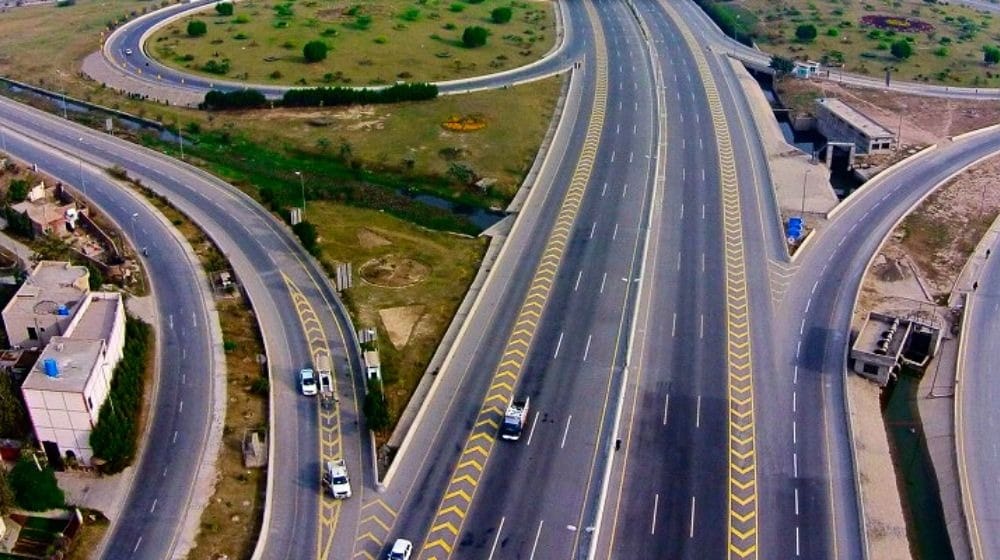
The M-6 is being developed as a modern six-lane motorway, designed to international standards. With an estimated project cost of $1.7 billion, it will include 89 bridges, 15 interchanges, and 243 underpasses to ensure smooth traffic flow. The project also emphasizes safety, with modern toll plazas, service areas, and emergency facilities planned along the route. Importantly, the M-6 will not only serve passenger vehicles but also facilitate heavy cargo transport, making it a crucial asset for Pakistan’s logistics sector.
Read Also Here:
Punjab Teacher Jobs 2025 Announced for 25000 Interns
Timeline and Land Acquisition in Sindh
According to project updates, construction is expected to begin in April 2026, following the completion of land acquisition by the Sindh provincial government. Land acquisition is often one of the most challenging phases of such projects, but provincial authorities are reportedly accelerating the process to avoid delays. Early groundwork, feasibility studies, and environmental assessments are already in place, ensuring the project meets both local and international standards.
Importance of the Karachi-Peshawar Corridor
The Karachi-Peshawar motorway, once complete, will cover over 1,200 kilometers, linking Pakistan’s largest seaport with its northern trade gateways. Currently, travelers and businesses face disruptions due to the missing Sukkur-Hyderabad section, which forces reliance on outdated highways prone to congestion and accidents. By filling this gap, the M-6 will reduce travel times, enhance safety, and create a seamless transport corridor critical for domestic trade and international connectivity through CPEC.
Role within CPEC’s Eastern Alignment
The M-6 motorway falls under the Eastern Alignment of the China-Pakistan Economic Corridor (CPEC), one of the flagship initiatives of the Belt and Road framework. This alignment prioritizes high-density trade and population centers, ensuring maximum economic impact. By connecting southern Sindh with northern provinces, the motorway will not only enhance local trade but also improve Pakistan’s regional position as a transit economy for Central Asia, Afghanistan, and beyond.
Economic Impact and Trade Benefits
The economic benefits of the M-6 project are expected to be wide-ranging. Reduced travel time will cut transportation costs for industries, exporters, and logistics companies, particularly in agriculture, textiles, and manufacturing. For Sindh, the project is especially vital as it links rural areas with urban centers, allowing farmers and small businesses to access larger markets. Experts predict that once operational, the motorway will significantly boost GDP growth by improving supply chains and export competitiveness.
Job Creation and Socio-Economic Development
During the construction phase, thousands of jobs will be created, benefiting skilled and unskilled labor across Sindh. The project will also open up opportunities for local contractors, suppliers, and service providers. Post-completion, better connectivity is expected to improve access to education, healthcare, and employment opportunities for communities living along the route. For many villages and towns, the motorway will be a game-changer, integrating them into the mainstream economy.
Complementing the M-10 Karachi-Jamshoro Upgrade
Parallel to the M-6 development, Pakistan is also upgrading the M-10 motorway, which links Karachi to Jamshoro. Together, these two projects will form a robust highway network in Sindh, easing congestion on existing routes and providing multiple alternatives for trade and passenger movement. With Karachi serving as the country’s commercial hub, improved road infrastructure is critical to ensuring smooth connections with upcountry destinations.
Challenges and the Way Forward
Despite the positive outlook, challenges remain. Land acquisition, environmental considerations, and ensuring timely financing disbursement are critical hurdles. Past infrastructure projects in Pakistan have sometimes faced delays due to bureaucratic and legal issues. However, the involvement of IsDB as a financing partner is expected to improve project credibility, oversight, and implementation. International financing also reflects confidence in Pakistan’s economic potential and its commitment to infrastructure development under CPEC.
A Transformative Step for Pakistan’s Future
The M-6 Sukkur-Hyderabad motorway is more than just a road; it is a strategic investment in Pakistan’s future. By strengthening connectivity, boosting trade, and supporting regional integration, the project will play a central role in achieving the country’s long-term development goals. It symbolizes how infrastructure, when backed by strong partnerships and careful planning, can become a catalyst for prosperity.
Read More Here: