
Nine-Year-Old Runner Wins Bronze in 10,000m at National Games
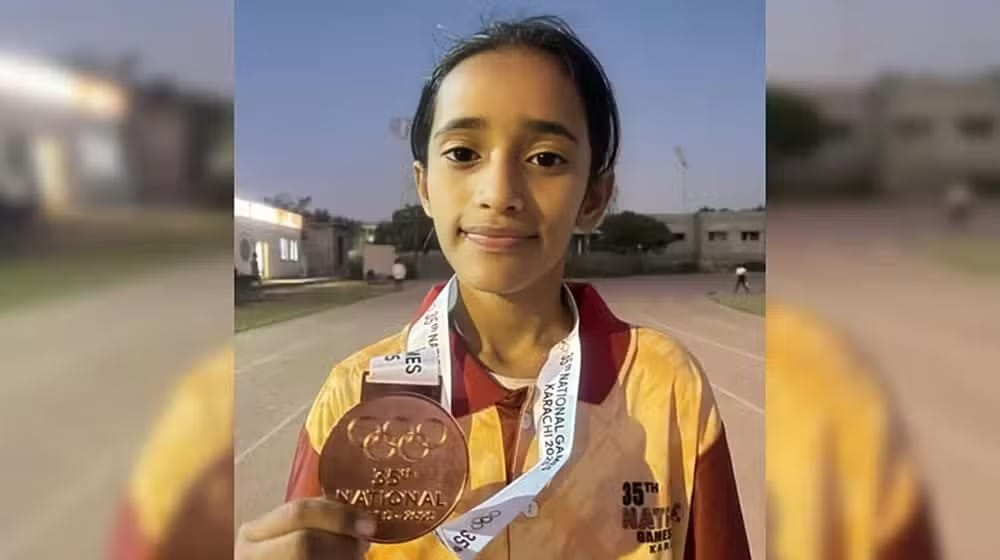
Pakistan witnessed an extraordinary moment at the 35th National Games when nine-year-old athlete Kainat secured bronze in the women’s 10,000m race, a demanding long-distance event typically dominated by seasoned adult athletes. Her accomplishment has sparked admiration, debate, and nationwide conversation about youth sports, endurance training, and safeguarding young athletes.
The event, currently being held across 24 venues in Karachi until December 13, has already produced its share of memorable performances. Yet none has captured public imagination quite like this remarkable run from a child who defied expectations—and regulations—to step onto the track.
A Stunning Performance at the National Games
Competing against much older and more experienced runners, Kainat completed the grueling 10,000 metres in 48 minutes and 42.70 seconds, showcasing not just speed but impressive mental discipline.
Spectators were stunned. Witnesses described the crowd silently watching her maintain form, breathing rhythm, and sheer determination through each lap. Long-distance running requires an endurance base often developed over years of training—making her ability even more striking.
While she finished behind WAPDA’s Maria Bibi, who won gold with 44:21.40, and Pakistan Navy’s Mumtaz Naimat, who took silver with 47:10.11, it was Kainat’s courage that became the story of the event.
Read Also Here: Arshad Nadeem Ready to Shine at National Games 2025
The Controversy: Initially Stopped From Racing
Interestingly, Kainat’s race nearly never happened.
National Games officials initially removed her from the starting line, stating she was too young to compete in a 10,000m senior event. Such rules exist primarily for athlete safety, as pushing an underage runner in high-endurance competitions carries real health risks.
But her coach—who had trained her extensively—intervened. He took full responsibility in writing, assuring organizers that Kainat was capable, prepared, and medically fit to run the race.
Only after this undertaking was she allowed to compete.
This episode has sparked debate:
- Should extremely young athletes be allowed in senior events?
- How do we balance safety with nurturing extraordinary talent?
- What should be the minimum age threshold for high-endurance competitions?
Sports administrators and medical experts are already weighing in, with many calling for clearer policies for future events.
National Games : Kainat’s Own Words: Pure Heart, Pure Determination
After the race, Kainat’s interview melted hearts across the country. Instead of technical analysis or professional-level reflections, her words were simple and profoundly honest.
When asked what she thought about during the incredibly challenging run, she replied:
“Just that I need to run. However much there is to run, I will.”
Her joy was evident—she said she felt “proud and happy” and never expected the overwhelming support she received from the crowd.
Her childlike innocence paired with surprising athletic maturity has made her an overnight symbol of resilience for young athletes across Pakistan.
National Games : Why This Moment Matters for Pakistani Sports
Pakistan has long struggled with nurturing young athletic talent due to limited resources, inadequate training infrastructure, and a lack of structured grassroots programs. Kainat’s performance highlights several key issues:
1. Untapped Youth Potential
Her natural ability demonstrates what young athletes can achieve with proper guidance.
2. Need for Talent Identification Programs
Countries like Kenya and Ethiopia—dominant in long-distance running—invest heavily in spotting talent early. Pakistan could follow similar models.
3. Importance of Training Support
Structured coaching, nutrition plans, and medical oversight can help transform early talent into elite performance.
4. Discussion on Regulations
Her case highlights the urgent need to establish age-appropriate guidelines for participation in senior national events.
This bronze medal is not just Kainat’s personal victory—it’s a powerful statement about what the future of athletics in Pakistan could look like.
National Games : Public Reaction: Praise, Pride & Policy Questions
Social media erupted after videos and images of Kainat’s run surfaced online. Hashtags celebrating her achievement trended nationwide, with many calling her an inspiration and a rising star.
Prominent athletes, coaches, and even medical experts praised her courage while also urging caution. Balancing ambition and safety is essential—especially for long-distance events that place heavy demands on developing bodies.
Sports enthusiasts also questioned the arrangements at the National Games, asking:
- Why was a clear age policy not communicated earlier?
- Should youth categories be organized separately?
- What safeguards should be added to future national events?
While praise dominates the conversation, the policy discussion is equally important for Pakistan’s sports development.
Historical Context: Young Athletes in Global Sports
Kainat’s case may seem extraordinary, but history offers several examples of young sports prodigies who competed early on the international stage.
• Nadia Comăneci (Age 14) – Gymnastics
Won 3 Olympic gold medals in 1976. Later age restrictions were introduced due to rising concerns over early physical pressure.
• Ten-Year-Olds in Running (East Africa)
In Kenya and Ethiopia, children often run long distances daily. Yet most national-level competitions enforce age minimums for endurance events.
• Fu Mingxia (Age 13) – Diving
Won world championship gold at 12 and Olympic gold at 14 before regulations tightened.
• The Debate on Early Specialization
Global sports bodies have gradually introduced minimum ages to ensure the physical and psychological well-being of young athletes.
Kainat’s story reignites this international conversation in Pakistan’s context.
For updates on Pakistan’s National Games and athletics news:
https://www.olympic.org/pakistan
What’s Next for Kainat?
If nurtured properly, Kainat could become one of Pakistan’s most promising long-distance runners. But her journey must focus on:
- Balanced training appropriate for her age
- Medical supervision to avoid long-term injuries
- Structured competition pathway through junior events
- Academic and psychological support
Pakistan’s sports authorities now have a responsibility to ensure her development follows global best practices.
FAQs
1. Who is Kainat?
Kainat is a nine-year-old Pakistani athlete who won bronze in the 10,000m race at the 35th National Games.
2. How fast did she complete the race?
She finished in 48:42.70, an impressive time for her age.
3. Why was she initially stopped from running?
Officials considered her too young for such a long-distance event but allowed her after her coach submitted a written responsibility statement.
4. Who won gold and silver in the race?
Gold: Maria Bibi (WAPDA) – 44:21.40
Silver: Mumtaz Naimat (Pakistan Navy) – 47:10.11
5. Is it safe for such young athletes to run long distances?
Experts advise caution. While some children naturally show endurance ability, medical supervision and age-appropriate training are crucial.
Read More Here: