
Pakistan Received Petrol and Crude Oil Tankers at Port Qasim Amid Supply Efforts
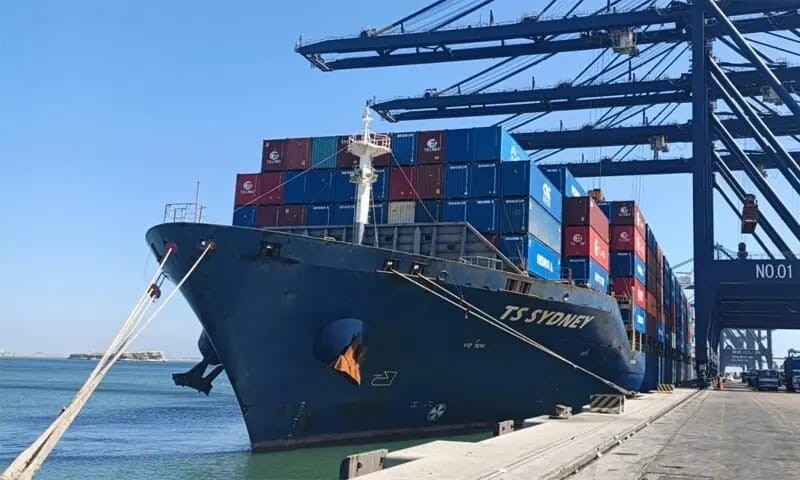
Pakistan received petrol : The arrival of fuel shipments at Port Qasim continues as Pakistan works to secure petroleum supplies amid the ongoing Middle East crisis and disruptions in global shipping routes. Recent days have seen multiple tankers delivering petrol, diesel, and crude oil to the country’s busiest port, though some vessels remain anchored awaiting clearance due to financial constraints .
Pakistan Received Petrol : Recent Shipment Arrivals
According to port officials, two petrol shipments and one diesel-laden tanker have recently docked at Port Qasim, with additional vessels carrying petroleum products currently stationed at the outer anchorage awaiting berthing clearance .
Read Also Here: Major Oil Shipment Reached Karachi from UAE
Among the key arrivals:
Vessel Name Cargo Quantity Origin
- MT Khairpur Petrol 60,000 tonnes Fujairah
- MT Sunny Liger Petrol 26,000 tonnes Fujairah
- MT NCC Reem Petrol 38,000 tonnes Not specified
- MT Maritime Amity Diesel 43,000 tonnes Oman
Several tankers have completed offloading operations and departed after delivering significant quantities of fuel:
- MT Torm Damini: Discharged 37,000 metric tonnes of petrol
- MT Nave Atropos: Delivered 53,000 metric tonnes of petrol
- MT Sapporo II: Unloaded 55,000 metric tonnes of petrol
Vessels Awaiting Berthing
However, sources indicate that MT Sea Clipper, carrying 34,000 tonnes of petrol, remains at the outer anchorage and has yet to receive a berth due to financial constraints . The vessel’s delay highlights ongoing challenges in the fuel supply chain despite the steady stream of arrivals.
Context of the Middle East Crisis
The continued movement of fuel shipments underscores the government’s efforts to maintain petroleum supplies amid rising demand and regional uncertainty. The ongoing conflict involving US-Israeli strikes against Iran has disrupted shipping through the Strait of Hormuz, a critical waterway through which a significant portion of Pakistan’s oil imports typically transit .
Petroleum Secretary Hamed Yaqoob Sheikh recently informed a Senate committee that around 70 percent of Pakistan’s petroleum supplies come from the Middle East, and regional tensions have begun affecting vessel movements and shipping schedules . Oil shipments from Gulf countries usually reach Pakistan within four to five days through the Strait of Hormuz, but cargoes now being routed via the Red Sea are taking up to 12 days due to disruptions .
Current Fuel Stock Position
Despite the disruptions, Pakistan maintains substantial fuel reserves. As of mid-March, the country holds:
Product Days of Supply
- Petrol 27 days
- Diesel 21 days
- Crude Oil 11 days
- LPG 9 days
- Aviation Fuel (JP-1) 14 days
The petroleum secretary informed lawmakers that Pakistan currently holds 392,000 tons of crude oil (sufficient for 11 days at consumption of 36,000 tons/day), 404,000 tons of diesel (21 days at 19,000 tons/day), and 564,000 tons of petrol (27 days at 20,600 tons/day) .
Price Situation
While the government has kept petrol prices unchanged for the week ending March 20, kerosene oil—often described as the “poor man’s fuel”—has seen a significant increase of Rs39.20 per litre, now retailing at Rs358 per litre . This marks the highest increase among all fuels since March 7 .
Earlier this month, the government had increased petrol and diesel prices by Rs55 per litre in response to rising international oil prices triggered by the Middle East conflict .
Alternative Supply Routes
With the Strait of Hormuz disrupted, Pakistan has begun importing crude oil through the Red Sea route. A Pakistan National Shipping Corporation vessel arrived at the Saudi port of Yanbu and is set to depart for Karachi carrying around 73,000 tonnes of crude oil . Another PNSC vessel, Shalamar, has successfully loaded oil from Fujairah port and is currently en route to Karachi .
Officials noted that authorities are exploring options to import oil from Russia, which has become an alternative supplier for several countries amid ongoing global energy disruptions. Pakistan has also been temporarily allowed to purchase Russian oil after sanctions were eased for one month from March 11, though banking channels are not yet fully set up, and delivery takes 35 to 40 days as large tankers must offload in Oman before reaching Pakistan .
Government Measures
Prime Minister Shehbaz Sharif has directed the finance and petroleum ministries to coordinate with provincial governments to implement strategies aimed at conserving fuel and ensuring a stable supply of petroleum products nationwide . The government has also introduced austerity measures including a 50 percent reduction in fuel allocation for official vehicles, a four-day work week for public offices, and a ban on foreign visits by ministers and officials .
Analysis by Best Pak Mag:
The continued arrival of fuel shipments at Port Qasim demonstrates the government’s commitment to maintaining energy security during one of the most challenging geopolitical periods in decades. With MT Khairpur delivering 60,000 tonnes from Fujairah and MT Maritime Amity bringing 43,000 tonnes of diesel from Oman, Pakistan is successfully diversifying its supply sources despite the Strait of Hormuz closure . However, the delay facing MT Sea Clipper due to financial constraints serves as a reminder that payment and banking challenges remain significant hurdles . The current stock position—27 days of petrol and 21 days of diesel—provides a crucial buffer, but the complete suspension of LNG supplies from Qatar and the warning of gas shortages after April 14 highlight the fragility of Pakistan’s energy security . The government’s decision to keep petrol prices unchanged while raising kerosene by Rs39.20 per litre reflects difficult trade-offs between protecting consumers and managing fiscal constraints . For ordinary Pakistanis, the immediate relief is the assurance of continued fuel availability, though at significantly higher prices than pre-crisis levels. The coming weeks will test whether Pakistan’s diversified supply strategy, including Red Sea routes and potential Russian imports, can sustain reserves if the conflict persists.
Read More Here: