
Petrol Price in Pakistan Today Drops by Rs2.07 per Litre
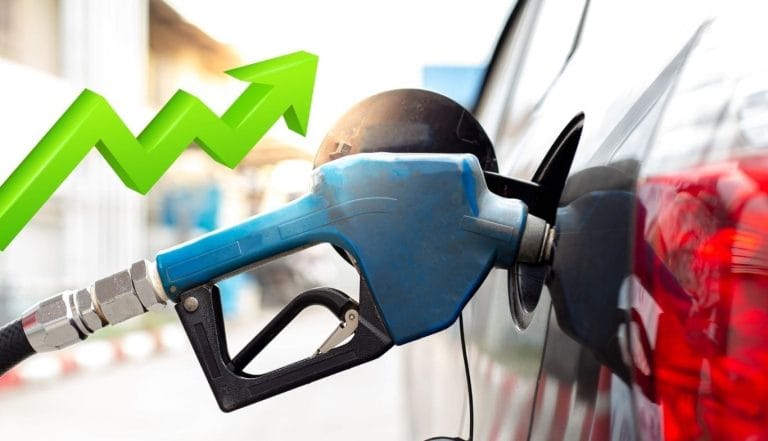
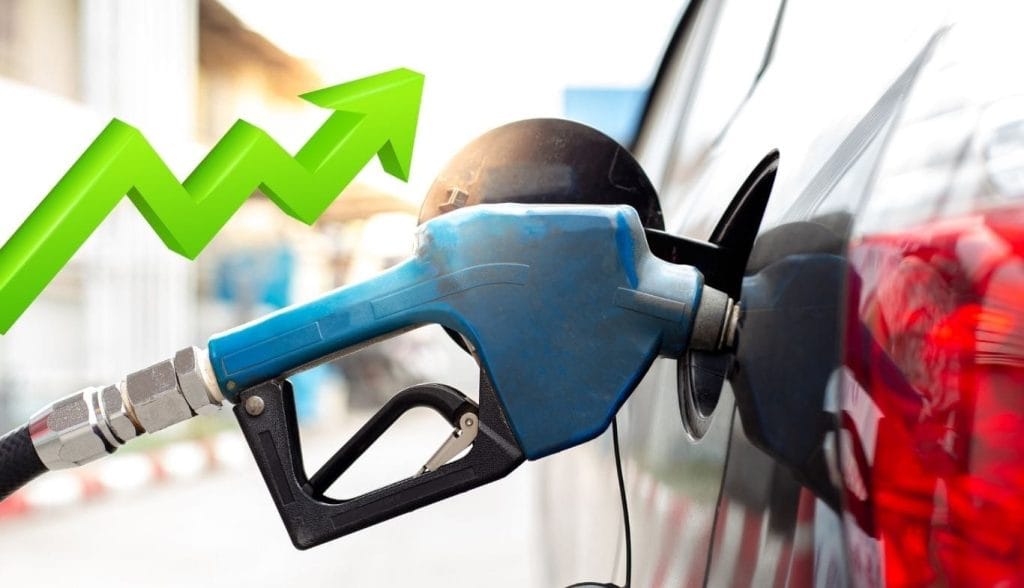
ISLAMABAD – The federal government on Monday reduced the petrol price by Rs2.07 rupees per litre and high speed diesel by Rs3.40 per litre for the next fortnight . According to a notification issued by the Finance Division, the new price of petrol is Rs247.03 per litre and diesel Rs246.29 per litre .
The price of Kerosene oil has also been reduced by Rs3.57 per litre and light diesel by Rs1.03 per litre . The new prices will be applicable from midnight tonight .
Current petrol price in Pakistan (March 2026)
Product New Price (Rs/Litre) Change
- Petrol 247.03 -2.07
- High-Speed Diesel (HSD) 246.29 -3.40
- Kerosene Oil 3.57 reduction –
- Light Diesel Oil 1.03 reduction –
Read Also Here: OGDC Announced Fresh Oil and Gas Discovery in KPK
Source: Finance Division notification
Government’s Relief Package
On the directions of Prime Minister Shehbaz Sharif, the government has reduced the price of petrol by 28.57 rupees and diesel by 37.51 rupees during the last two months . Officials say the prime minister has been consistently focusing on providing relief to the people since the incumbent government came into power.
The fruits of the reduction of petroleum products are being transferred to the masses . This latest cut marks the third consecutive reduction in fuel prices, with petrol prices having dropped by a total of Rs16.5 since July 30 .
Earlier Price Projections vs. Actual Relief
Earlier this month, reports had quoted a potential relief of up to Rs6 per litre, but the government ultimately lowered prices by Rs3.32 . The reduction follows a review of prevailing international market trends and recommendations from the Oil and Gas Regulatory Authority (Ogra) and relevant ministries .
IMF Pressure for Price Adjustments
The price reduction comes despite pressure from the International Monetary Fund (IMF) to immediately increase petrol and diesel prices in line with global market rates . During ongoing virtual negotiations between Pakistan and the IMF regarding energy pricing and fiscal targets, IMF officials urged the Pakistani government to pass on the recent increase in international petroleum prices to consumers without delay .
The lender stressed that no subsidy should be provided on petrol or diesel and that domestic prices must reflect global market trends . The IMF further emphasised the need for Pakistan to achieve its petroleum development levy (PDL) target of Rs1.468 trillion by June 30 .
Officials estimate that between July and December, Pakistan collected around Rs822 billion under the petroleum development levy, achieving more than 60 percent of the target for the fiscal year’s first six months .
Future Price Outlook
Despite the current reduction, analysts warn of potential increases ahead. Rising tensions in the Middle East have pushed global oil prices higher, raising concerns about a possible increase in fuel prices in Pakistan . Officials estimate that the ex-refinery price of petrol in the country could increase by around Rs32 per litre by March 15 .
The petrol ex-refinery price is expected to rise from Rs153.50 to about Rs186.47 per litre . Similarly, the price of high-speed diesel is likely to increase by more than Rs50 per litre during the same period due to higher international oil prices .
In the global market, the price of high-speed diesel is projected to increase from $93.02 to around $138 per barrel, while petrol prices are expected to rise from $79.14 to approximately $97.92 per barrel .
New Pricing Mechanism Approved
Prime Minister Shehbaz Sharif has approved a proposal to review petrol prices on a weekly basis in view of changing regional circumstances . The decision came during a meeting of the special committee on petroleum reserves, chaired by the prime minister, where Finance Minister Muhammad Aurangzeb briefed him on the matter .
The Economic Coordination Committee (ECC) will forward its recommendations on weekly petroleum prices, and following ECC approval, the final summary will be presented to the federal cabinet .
Impact on Consumers and Economy
Petrol is mainly used in private transport, motorcycles, and rickshaws, while diesel fuels heavy transport and agricultural machinery and is considered a key driver of inflation in the South Asian country .
The current Rs2.07 per litre reduction in petrol prices will provide modest relief to households, though prices remain significantly higher than earlier years. The government is currently collecting about Rs98 per litre on both petrol and diesel through various levies, despite maintaining a zero rate of general sales tax (GST) on all petroleum products .
Analysis by Best Pak Mag
The current reduction in petroleum prices represents a balancing act for the Pakistani government. On one hand, Prime Minister Shehbaz Sharif’s administration is keen to provide relief to inflation-burdened households ahead of potential political challenges. The cumulative reduction of over Rs28 per litre in petrol over two months is significant and will positively impact household budgets .
However, the pressure from IMF to eliminate subsidies and pass on global price increases creates a challenging dynamic. The lender’s insistence on meeting the Rs1.468 trillion PDL target means that any reduction in prices ultimately limits the government’s ability to collect revenue .
The government’s new weekly price review mechanism suggests a move toward more frequent adjustments, which could reduce the volatility of large fortnightly changes but may also create uncertainty for consumers and businesses .
Looking ahead, the situation remains fluid. The Middle East conflict continues to threaten global supply chains, with the Strait of Hormuz—through which roughly one-fifth of the world’s seaborne crude oil passes—remaining a critical risk point . Pakistani authorities are reportedly considering introducing work-from-home arrangements as part of a national fuel-saving plan should supply disruptions intensify .
For now, consumers can benefit from the current reduced rates, but should prepare for potential increases in the coming weeks as international prices and IMF negotiations evolve.
Read More Here: