
Petrol Pump Owners Warn to Shutdown Nationwide Amid Fuel Crisis
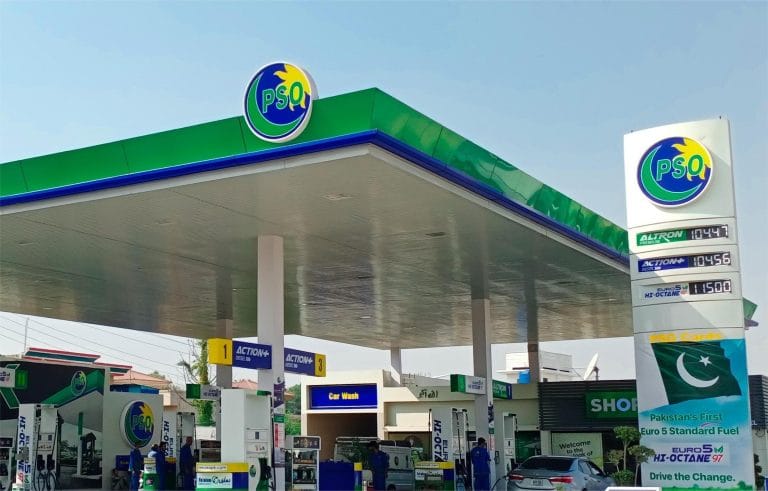
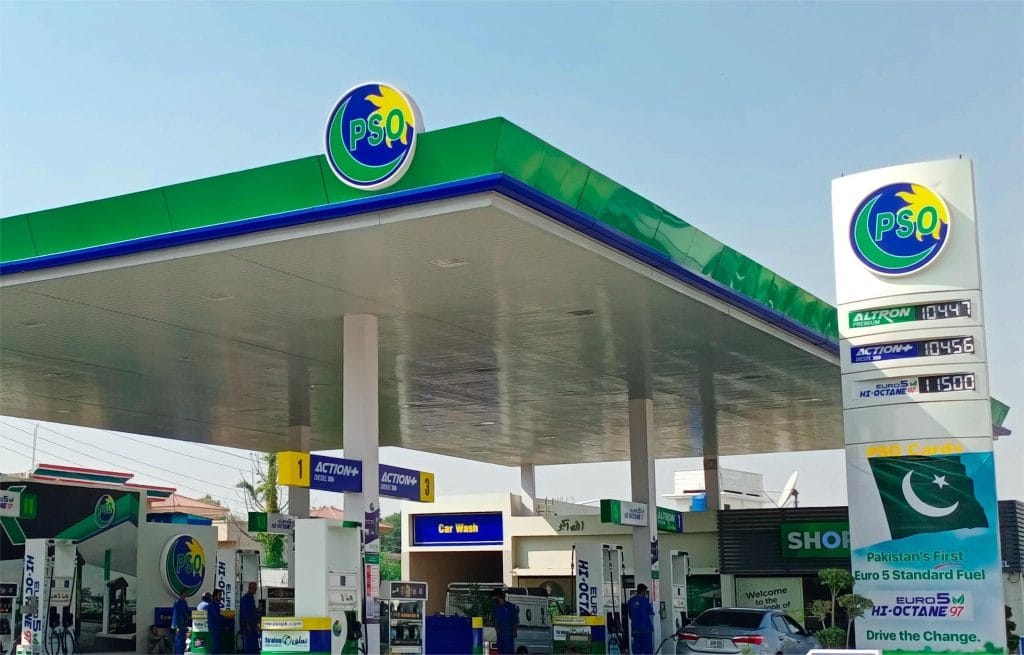
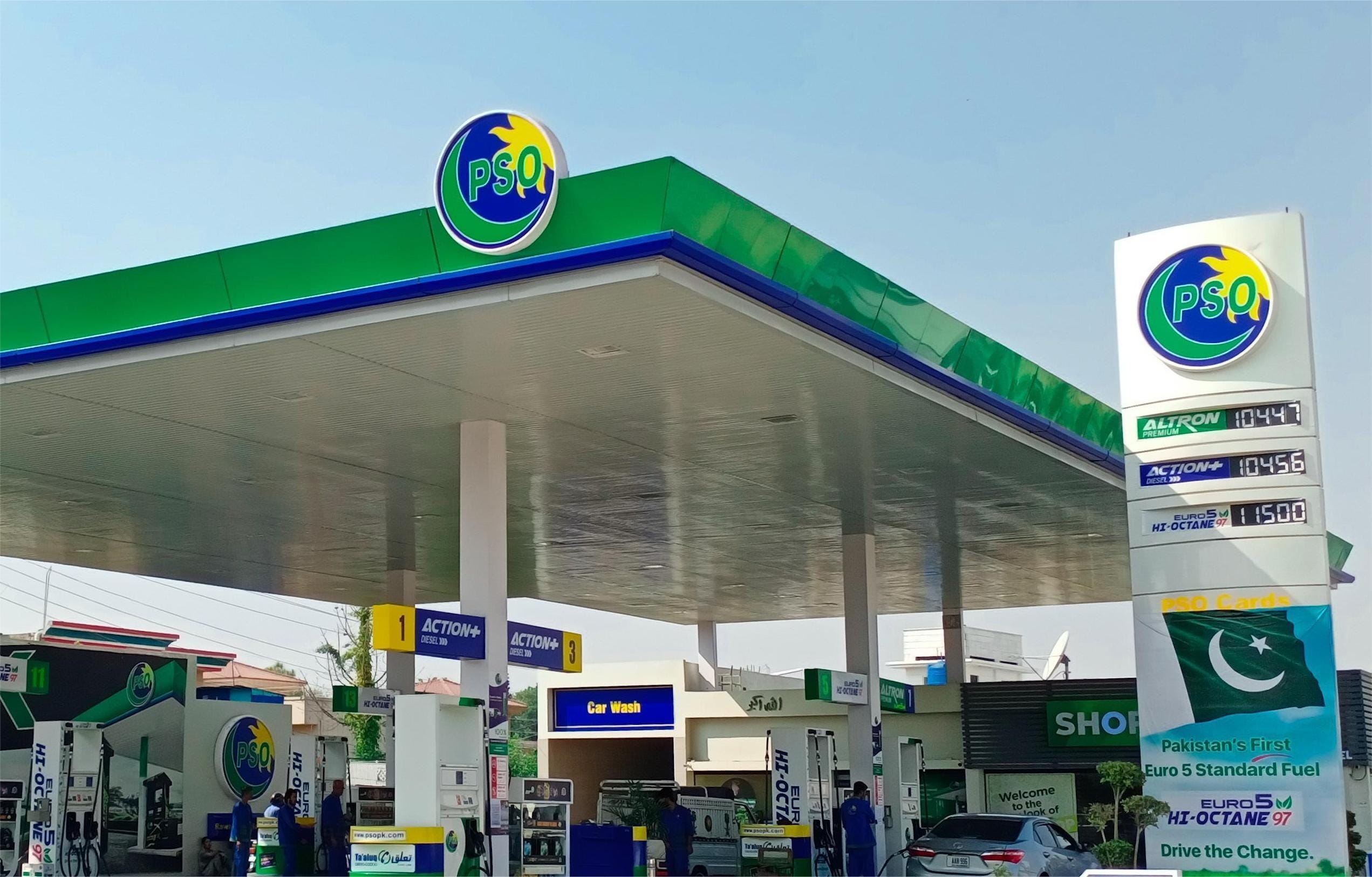
Pakistan is facing the threat of a severe fuel supply disruption as petrol pump owners warn to shutdown nationwide if the government fails to address their pressing concerns. The All Pakistan Petrol Pump Owners Association (APPPOA) has issued a stern warning of a countrywide closure of petrol pumps, stating that ignoring their demands could spark a new fuel crisis across the nation .
The warning comes at a critical time when the country is already grappling with rising fuel prices and supply chain disruptions caused by the ongoing Middle East conflict and the closure of the Strait of Hormuz .
What the Petrol Pump Owners Are Demanding
In a formal letter addressed to Federal Minister for Petroleum Ali Pervez Malik, APPPOA Vice Chairman Nouman Ali Butt outlined the association’s urgent demands:
Demand Details
Increased Profit Margins Dealers’ margin has dropped to 2.68% due to rising oil prices, making business unsustainable
Industry Representation Inclusion of petrol pump owners in policymaking decisions for the petroleum sector
Urgent Meeting Immediate consultation with the petroleum minister to discuss operational, financial, and pricing challenges
Address Force Majeure Impacts Resolution of issues arising from sudden disruptions and emergency situations
The association emphasized that approximately 14,000 to 15,000 petrol pump owners across Pakistan would be directly affected if the situation remains unresolved .
Read Also Here: Petrol Price in Pakistan Today March 24 Holds at Rs321
Timeline: When Will the Shutdown Happen?
According to earlier statements from the Pakistan Petroleum Dealers Association (PPDA), petrol pumps across the country will shut down indefinitely from March 27, 2026, if the government fails to increase dealers’ margin to 8 percent .
At an emergency press conference held at the Karachi Press Club on March 13, PPDA leaders announced that fuel supplies would be suspended as early as the night of March 26 . The association warned that they would “pull the plug on fuel supplies” if their demands are not met .
Key Deadlines:
- March 26: Fuel supply to Sindh to stop (per PPDA Sindh President Amir Khan Mahsud)
- March 27: Nationwide indefinite shutdown begins
Why Are Petrol Pump Owners Protesting?
1. Profit Margins Have Collapsed
PPDA Chairman Abdul Sami Khan explained that the government had previously promised an 8 percent margin for dealers. However, due to rising petroleum product prices, the actual margin has now dropped to just 2.68 percent .
If the margin was fixed at 8 percent, dealers’ earnings would increase from around Rs8 per litre to approximately Rs25 per litre, according to PPDA official Waseem Qadri .
2. Windfall Profits for Oil Marketing Companies
Dealers have accused the government of playing favorites, alleging that recent price hikes were engineered to provide billions in windfall profits to Oil Marketing Companies (OMCs) while completely ignoring the rising operational costs faced by individual dealers .
Abdul Sami Khan stated: “The constant rise in petroleum levies and prices has pushed both the public and the dealers to a breaking point. The time for polite conversation with the government is over. We are moving toward active resistance” .
3. Unresolved Issues Since March 6
The APPPOA had previously raised the same issues on March 6, 2026, but received no response from the government . The association expressed frustration over the lack of consultation with industry stakeholders when key decisions affecting the sector are made .
4. Fuel Supply “Capping”
The crisis isn’t just a future threat—it’s already beginning to bite. The association revealed that OMCs have started “capping” fuel deliveries, imposing artificial restrictions on supply . This has left many dealers unable to procure petrol and diesel, causing several stations across the country to run dry and shut down prematurely .
Government Response and Fuel Supply Situation
Secured Cargoes for March and April
Despite the dealers’ protest, a government committee monitoring petrol supplies reported that Pakistan has “largely secured” fuel cargoes for March and April . The meeting, chaired by Finance Minister Muhammad Aurangzeb, reviewed the global oil and gas market situation and assessed the domestic energy supply .
According to the finance ministry, supply lines from import terminals to refineries, storage installations, and retail outlets are operating in a “stable and orderly manner, ensuring continuity of supply across the country” .
Alternative Supply Routes
Petroleum Minister Ali Pervaiz Malik confirmed that despite the difficult regional situation, Saudi Arabia is still providing oil to Pakistan through alternative routes that bypass traditional Gulf transit chokepoints . Pakistan is also receiving shipments via ports such as Yanbu and Fujairah as part of efforts to maintain uninterrupted fuel availability .
Government’s Position
The government has emphasized that ensuring uninterrupted availability of petroleum products remains its foremost priority . Finance Minister Aurangzeb stressed that “sustained coordination and prudent planning will continue to guide efforts to maintain market stability and safeguard national energy security” .
The Broader Fuel Crisis Context
The dealers’ protest comes against the backdrop of a severe fuel crisis triggered by the ongoing US-Israel conflict with Iran. Since the start of the Middle East crisis:
Product Price Increase
- Petrol +Rs55 per litre
- Diesel +Rs55 per litre
- Kerosene Oil +Rs200 per litre
- High-Octane Fuel +Rs200 per litre
The government has also introduced a series of austerity measures, including closing schools for two weeks, cutting fuel allocations for government vehicles by 50 percent, reducing official travel, and shifting public sector offices toward shorter workweeks and remote work arrangements .
Potential Consequences of a Nationwide Shutdown
If petrol pump owners follow through on their shutdown threat:
- Transportation Paralysis: Public transport, private vehicles, and goods carriers would be unable to operate
- Supply Chain Disruption: Food and essential goods distribution would be severely impacted
- Economic Losses: Businesses across all sectors would face operational shutdowns
- Price Hikes: Already elevated inflation would surge further
Emergency Services: Ambulances, fire brigades, and other emergency vehicles could face fuel shortages
What Happens Next?
The APPPOA has called for an urgent meeting with the petroleum minister to discuss the concerns of approximately 14,000 to 15,000 petrol pump owners . The association has expressed hope for a constructive response, but warned that if their concerns continue to be ignored, they will be “compelled to shut down operations” .
The responsibility for any resulting crisis, the association cautioned, would lie with the Petroleum Division if timely action is not taken .
Analysis by Best Pak Mag:
The threat of a nationwide petrol pump shutdown marks a dangerous escalation in Pakistan’s ongoing energy crisis. With petrol pump owners warning that 14,000 to 15,000 dealers are at risk of operational collapse, the country faces the prospect of grinding to a halt just as it grapples with surging global oil prices and Middle East instability . The dealers’ core grievance—a profit margin that has shrunk to just 2.68 percent against a promised 8 percent—is a legitimate operational concern . When fuel prices rise, dealers’ margins effectively shrink because their profits are based on a fixed percentage of a larger base. The accusation that Oil Marketing Companies have received “billions in windfall profits” while dealers are ignored highlights a structural inequity in the sector . The government’s position that fuel supplies are “largely secured” for March and April does little to address the immediate issue of whether those supplies will actually reach consumers if pumps are shuttered . With a deadline of March 27 looming, the window for negotiation is closing fast . If the shutdown proceeds, the consequences will be immediate and severe—transportation paralysis, supply chain collapse, and a further spike in inflation . The coming days will test whether the government can reconcile its fiscal priorities with the operational survival of the retail fuel sector.
Read More Here: