
Petrol Rates Could Push to Rs 500 per Litre in Pakistan as Middle East Crisis Deepens
The ongoing military conflict in the Middle East, involving US-Israeli strikes against Iran and the subsequent closure of the strategic Strait of Hormuz, has created an unprecedented energy emergency for Pakistan. Economic experts and market analysts warn that petrol rates could push to Rs 500 per litre in Pakistan if global crude prices continue their upward trajectory and the rupee remains under pressure .
Current Petrol Rates and Recent Hikes
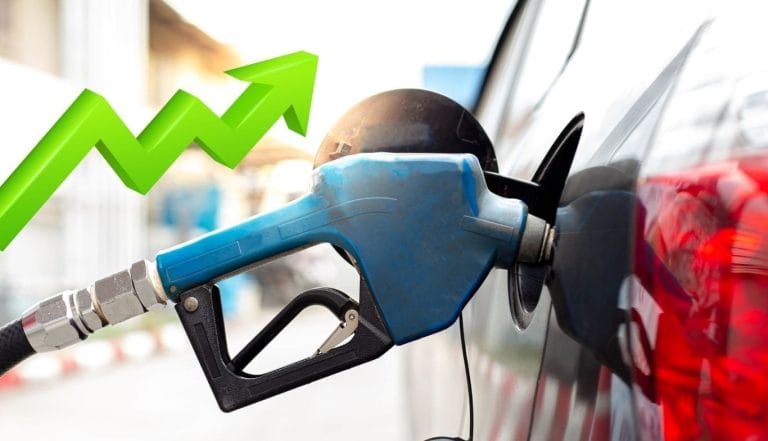
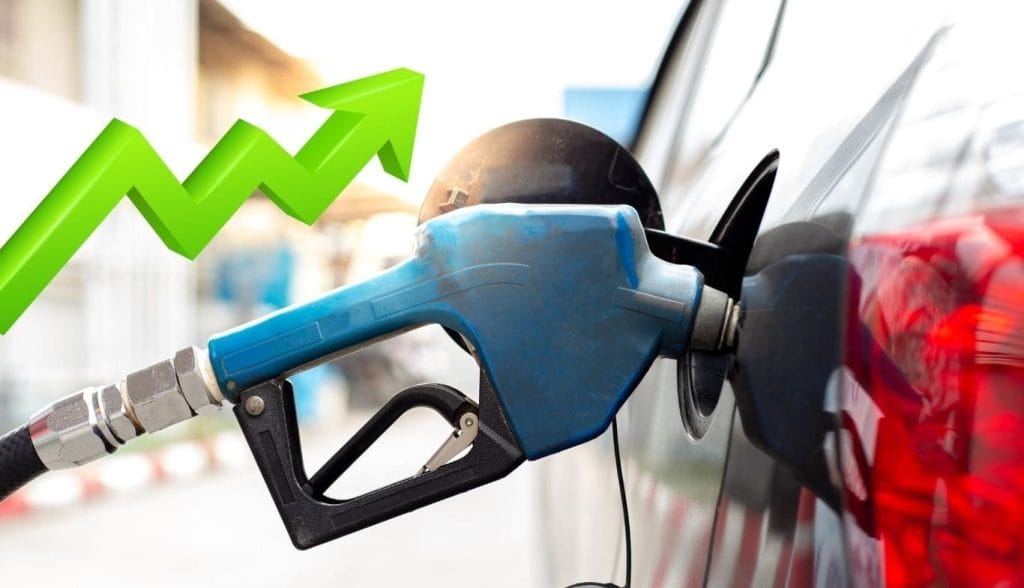
The government has already implemented a massive Rs55 per litre increase in petrol and diesel prices following the disruption of global supply lines . As of mid-March 2026, petrol is being sold at Rs321.17 per litre, while high-speed diesel has climbed to Rs335.86 per litre . This represents a jump of more than 20 percent from previous levels when petrol was priced at Rs266.17 per litre . The increase has sparked widespread public anger, particularly during the holy month of Ramadan when household expenses are already elevated.
However, the situation could deteriorate further. Petrol rates could push to Rs 500 per litre in Pakistan if international oil prices breach the $150 per barrel mark and the Pakistani rupee depreciates further against the US dollar. Given that Pakistan imports approximately 60 percent of its petrol requirements, any fluctuation in global markets directly impacts domestic consumers .
Read Also Here: Chicken Prices Surge Amid Ramadan Hitting Rs600 per kg
Global Oil Price Trajectory
According to experts at Karachi-based tax and corporate advisory firm Tola Associates, markets are now facing three possible trajectories for global oil prices. The firm’s analysis indicates that if global oil reaches $130 per barrel, petrol in Pakistan could approach Rs392 per liter, with inflation rising by 7.11 percent . If prices climb to $150 or beyond, petrol rates could push to Rs500 per litre.
Ashfaq Tola, chairman of Tola Associates and a former tax adviser to several Pakistani governments, explained his firm’s modeling: “If oil is priced at $88 per barrel, we have an indicative price of Rs313 per liter. If it reaches $130, its inflationary impact on the overall economy will be 7.11 percent” .
Prime Minister Shehbaz Sharif, in his televised address to the nation on March 9, acknowledged that international crude oil prices have surged dramatically from around $60 per barrel to nearly $100 in recent days, and warned that prices could climb even higher if the conflict continues . If this worst-case scenario materializes, petrol rates could push to Rs 500 per litre in Pakistan within months.
Strait of Hormuz Blockade
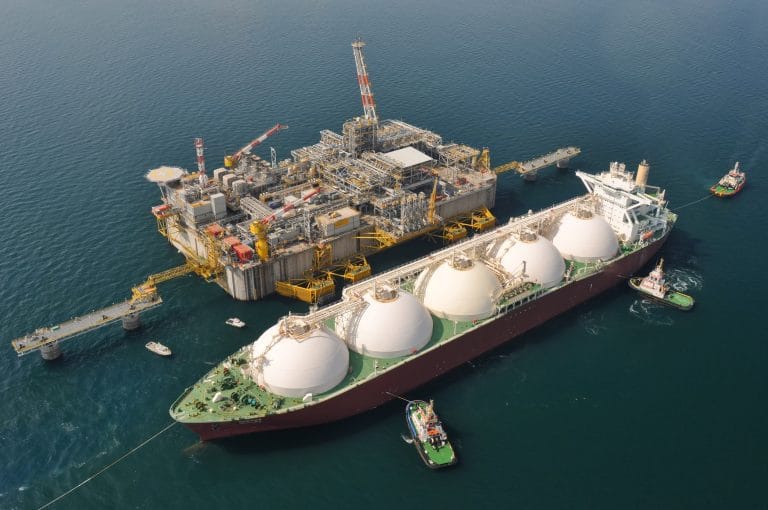
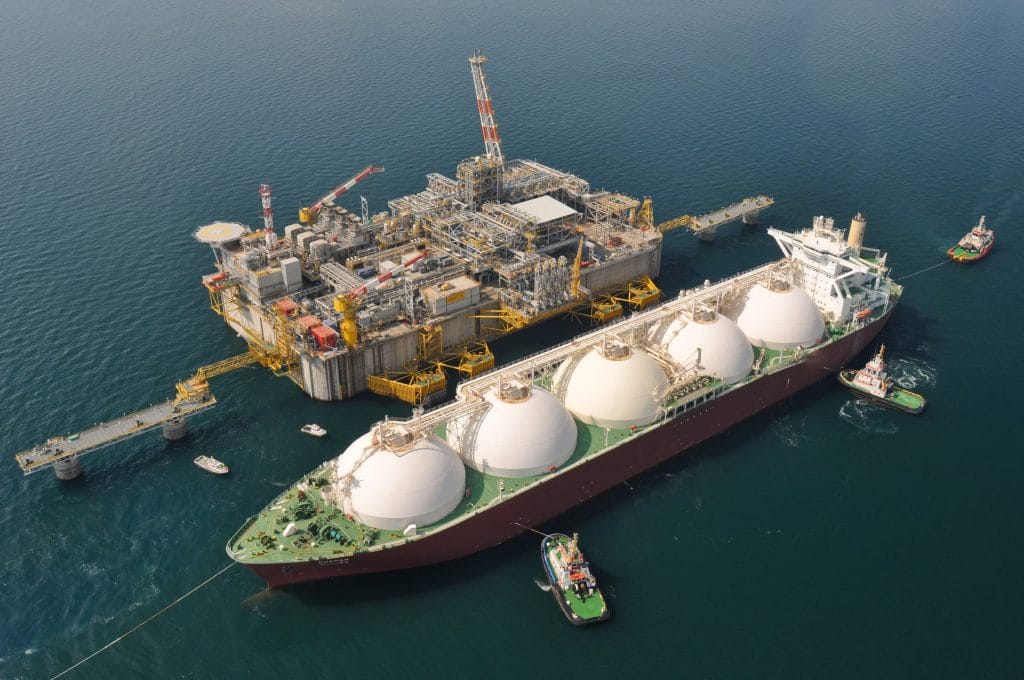
The immediate trigger for the current crisis is the closure of the Strait of Hormuz, a critical waterway through which roughly one-fifth of the world’s oil and liquefied natural gas exports pass . The blockade has left multiple vessels stranded, including two Pakistan National Shipping Corporation ships near Karachi and at a charter port, underscoring the massive impact on global energy flows .
According to Pakistani oil industry executives cited by Dawn, the closure of the Strait of Hormuz has led to “the largest oil supply disruption in history,” with global markets losing approximately 20 million barrels per day . This unprecedented disruption has sent shockwaves through international energy markets.
With the Strait of Hormuz blocked, Pakistan has been forced to seek alternative supply routes. The government has now turned to the Red Sea route, with PNSC vessels reaching Yanbu port in Saudi Arabia to load crude oil . A PNSC vessel carrying 73,000 tonnes of crude oil is scheduled to sail from Yanbu to Karachi, while another ship, Shalamar, has successfully loaded oil at Fujairah port and is now en route . However, these alternative routes are longer, more expensive, and cannot fully compensate for the disruption of traditional supply lines.
Government’s Commitment to Absorb Future Hikes
Despite the dire warnings, Petroleum Minister Ali Pervaiz Malik has assured the public that there will be no further increases in petroleum prices, stating that the government has resolved to absorb the impact of any future increase in the international market . The government has also shifted to weekly price reviews instead of the previous fortnightly system to respond more quickly to market changes .
Speaking at a press conference alongside Deputy Prime Minister Ishaq Dar and Finance Minister Muhammad Aurangzeb, Malik emphasized that the government is making all-out efforts to ensure uninterrupted supply of petroleum products and to prevent any burden on consumers . He stated that if the situation normalizes, prices would be reduced immediately .
However, skepticism remains among economic analysts. Petrol rates could push to Rs 500 per litre in Pakistan regardless of government assurances if global prices surge beyond a certain threshold and the country’s foreign exchange reserves come under sustained pressure. The Finance Minister has already warned that if the conflict continues, Pakistan could face higher pressure on external payments, and remittances may be affected .
OGRA Dismisses Viral Rumors
Amid the uncertainty, unverified claims have circulated on social media suggesting an imminent Rs73 per litre increase. The Oil and Gas Regulatory Authority (OGRA) firmly dismissed these reports, calling them misleading and completely baseless .
An OGRA spokesperson clarified that no summary recommending a petrol price increase of Rs73.40 per litre or a diesel hike of Rs84.95 per litre has been sent to the Prime Minister’s Office. The spokesperson stressed that the figures circulating online have no connection with any official pricing process and warned the public not to fall for unverified social media claims .
Economic Impact Analysis
Experts warn that the ripple effects of sustained high fuel prices would be devastating for Pakistan’s economy. According to Tola Associates’ analysis, a prolonged period of elevated oil prices could cause inflation to rise by over 7 percent, increase the import bill substantially, and slow GDP growth .
The recent Rs55 per litre hike has already pushed logistics costs up significantly, creating what experts describe as a triple shock for industries from electricity tariffs, gas prices, and feedstock costs. If petrol rates could push to Rs 500 per litre in Pakistan, the impact on industrial competitiveness would be catastrophic, potentially forcing factory closures and job losses.
The Federation of Pakistan Chambers of Commerce and Industry (FPCCI) has officially warned that the Middle East conflict could drive inflation and strain exports. An FPCCI official urged the government to utilize the country’s contingency fund to help mitigate the impact of higher fuel costs, noting that industries are facing mounting expenses that could ultimately lead to higher inflation and reduced competitiveness for Pakistani exports .
Impact on Transport and Daily Life
The fuel price hike has already triggered immediate consequences for ordinary Pakistanis. Within hours of the Rs55 increase announcement, transport fares surged, and prices of vegetables and fruits also saw a noticeable jump. Transporters defended the fare increases, stating that the hike was unavoidable given the higher fuel costs.
If petrol rates could push to Rs 500 per litre in Pakistan, these struggles would intensify dramatically. Daily-wage earners and gig workers, who depend on motorcycles and public transport for their livelihoods, would be particularly hard hit. The Pakistan Bureau of Statistics has already recorded inflation accelerating to 7 percent in February, the highest level in 16 months, and analysts believe it could increase by another 0.7 to 1 percent in the coming months .
Austerity Measures Announced
In response to the unfolding crisis, Prime Minister Shehbaz Sharif has announced a comprehensive austerity package designed to reduce fuel consumption and conserve resources . Key measures include:
- A 50 percent cut in fuel usage for official vehicles, excluding ambulances and public buses
- Temporary suspension of salaries for ministers and advisers
- Two-day salary contribution from Grade 20 and above officers to support public relief efforts
- A ban on foreign visits by the prime minister, ministers, and advisers
- A 20 percent reduction in the non-development budget
- A complete halt to official luncheons and dinners funded by the government
- Public offices operating only four days a week, with half of the staff working from home
- Schools closed for two weeks, with universities shifting to online classes
While these measures will help reduce domestic fuel consumption, they cannot shield the economy from the full impact of global price shocks. Petrol rates could push to Rs 500 per litre in Pakistan regardless of domestic conservation efforts.
Fuel Supply Situation
Despite the crisis, officials express confidence that there will be no shortage of fuel in the country. Four petrol-laden ships arrived at Port Qasim on March 10, with 37,000 tonnes already offloaded and another 50,000 tonnes in the process of transfer . The Minister of Petroleum has met repeatedly with the Saudi ambassador to coordinate continued supplies through the Red Sea route .
On LPG supplies, industry representatives have confirmed that two ships carrying 11,000 tons and 12,000 tons have anchored at Port Qasim, with additional cargoes expected before Eid . However, LPG prices have already climbed by Rs40 per kg to Rs350 due to uncertainty and rising freight costs .
Warning Against Profiteering
The prime minister has issued a stern warning to hoarders and profiteers, stressing that the government would take strict action against anyone attempting to exploit the crisis by creating artificial shortages or raising prices unfairly . He called on the country’s wealthy and influential segments to step forward and assist those struggling during the crisis, saying that strong nations stand united with their most vulnerable citizens during difficult times .
Analysis by Best Pak Mag:
The warning that petrol rates could push to Rs 500 per litre in Pakistan is grounded in realistic economic modeling, not alarmism. With the Strait of Hormuz blocked, global oil prices volatile, and the rupee under structural pressure, the mathematics of fuel pricing point toward continued increases. The Tola Associates projection of Rs392 per litre at $130 oil provides a credible midpoint, with Rs500 becoming plausible if prices breach $150. The government’s assurance that it will absorb future shocks through austerity is politically necessary but economically challenging. Absorbing a significant global price increase would require billions in subsidies at a time when the IMF program demands fiscal consolidation. The alternative—letting prices rise toward Rs500—would trigger inflationary pressures that could push the poorest into destitution. The arrival of fuel ships through the Red Sea route provides temporary relief, but the underlying vulnerability remains. Pakistan imports most of its energy needs, and until that structural dependence is addressed through energy diversification and domestic resource development, the country will remain hostage to geopolitical events beyond its control. The weekly price review mechanism announced by the government offers flexibility but also means consumers face more frequent adjustments. For now, the government walks a tightrope between fiscal discipline and public relief, hoping that the crisis ends before the arithmetic becomes unbearable.
Read More Here: