
Sindh Cabinet Decided to Close All Schools Colleges and Universities Amid Fuel Crisis
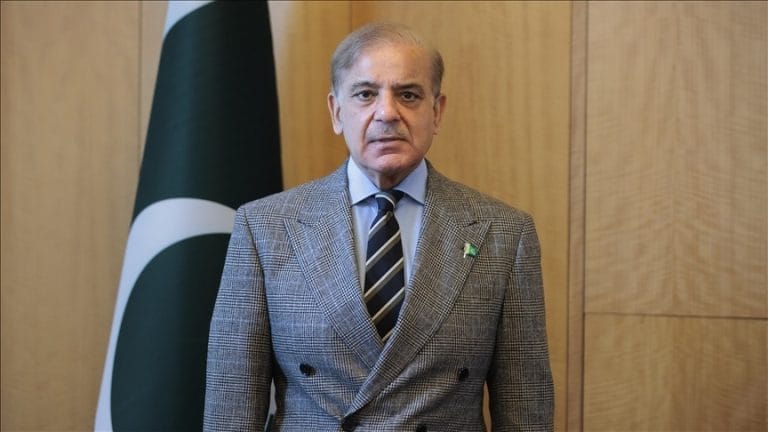
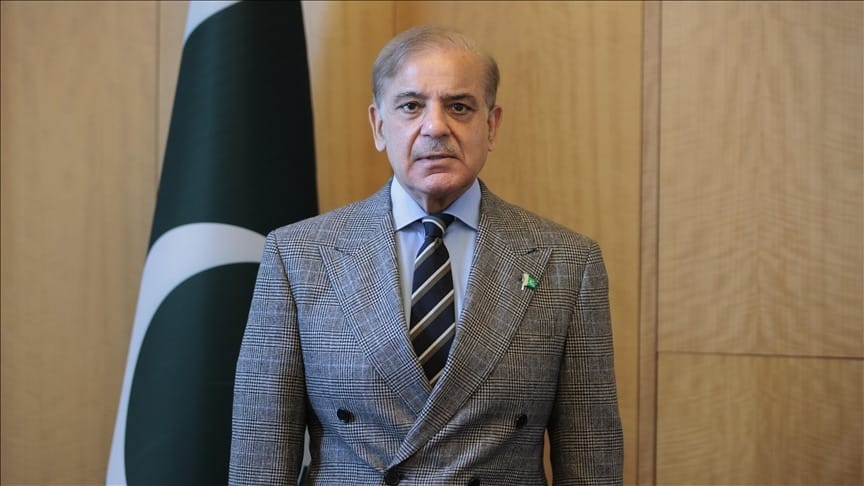
The Sindh cabinet decided on Monday to implement a comprehensive shutdown of all educational institutions across the province in response to the escalating Middle East crisis and resulting fuel shortages. The decision was announced following a cabinet meeting chaired by Chief Minister Murad Ali Shah, with Senior Minister Sharjeel Inam Memon briefing the media on the details .
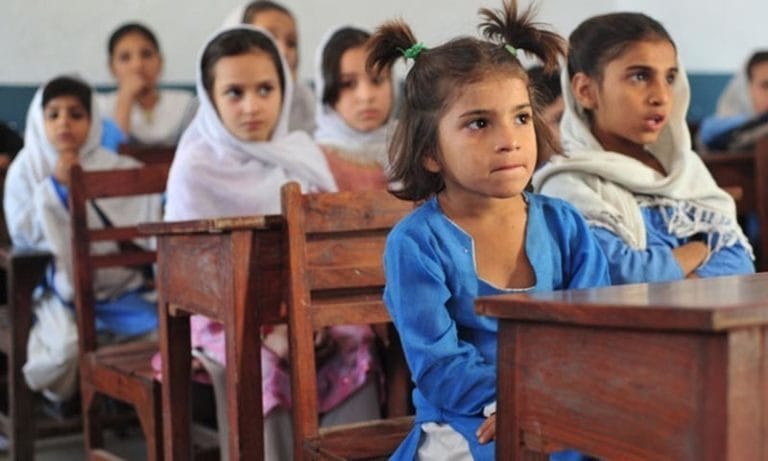
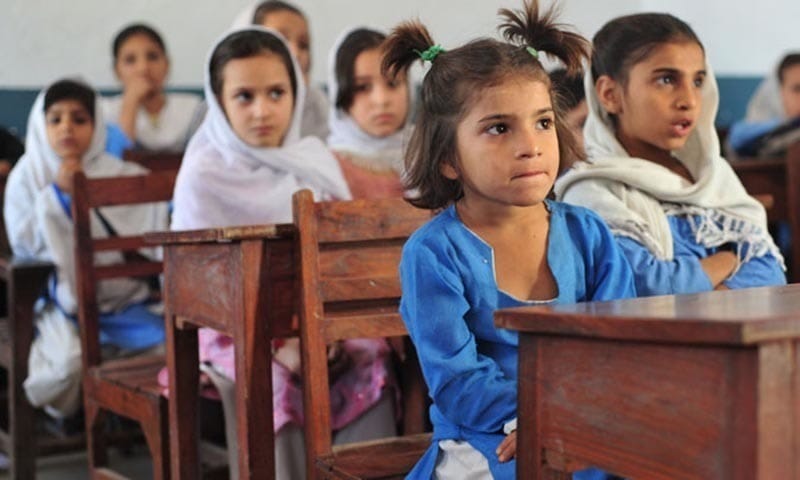
According to the official announcement, all schools colleges and universities across Sindh will remain closed from March 16 to March 31, 2026 . This provincial decision aligns with similar measures taken in Punjab and Balochistan, creating a coordinated national response to the ongoing regional tensions involving Iran, Israel, and the United States .
Sindh Cabinet Decided to Close All Schools Colleges and Universities
Read Also Here: Pakistan Petrol Prices Shock Increase by Rs55 Per Litre
Exams and Online Learning to Continue
Despite the physical closure of educational institutions, the Sindh cabinet decided that academic activities will not completely halt. Provincial Minister Sharjeel Memon clarified that examinations scheduled during this period will proceed as per the original timetable without any postponement .
Furthermore, colleges and universities have been authorized to conduct online classes to ensure continuity of education during the closure period . This hybrid approach aims to balance safety concerns with academic requirements, allowing students to continue their studies while minimizing physical attendance.
Government Work-from-Home Policy
The Sindh cabinet decided on additional administrative measures alongside the educational shutdown. Government offices will operate on a work-from-home basis on Fridays, though these days will not be treated as official holidays . Regular operations will continue from Monday to Thursday as usual.
This arrangement is designed to reduce fuel consumption by limiting daily commutes while maintaining government functionality. The cabinet emphasized that essential services will remain unaffected by these adjustments.
Austerity Measures Approved
In a broader response to the economic challenges posed by the regional crisis, the Sindh cabinet decided on several austerity measures. Provincial ministers have voluntarily agreed to forego their salaries and allowances for three months covering April, May, and June 2026 .
Additional measures include:
- A 50% reduction in fuel consumption for government vehicles over the next two months
- 60% of official vehicles will remain off the roads during this period
- A complete ban on the purchase of new vehicles and office furniture
- Suspension of all government-funded refreshments in public offices for two months, particularly during Ramazan
- Withdrawal of discretionary security arrangements for ministers, with police vehicles being returned
Sharjeel Memon urged officials to avoid unnecessary protocol and adopt a culture of simplicity, emphasizing that collective efforts are required to address the country’s economic and administrative challenges .
Digital Monitoring System Approved
In a forward-looking move, the Sindh cabinet decided to approve the Student Attendance Monitoring and Redress System Policy. This digital initiative will introduce a mobile application and digital dashboard to record student attendance and admissions across all schools in the province .
According to the Chief Minister’s spokesperson, the new system aims to reduce student absenteeism and lower dropout rates. The cabinet was informed that this digital monitoring system will be implemented in all Sindh schools within one year .
Women Agricultural Workers Protection
The Sindh cabinet decided to approve the Sindh Agriculture Women Workers Rules, introducing significant protections for women in the agricultural sector. Under these new regulations, women agricultural workers will receive equal wages and maternity benefits, along with legal protections against harassment and discrimination .
The government also approved the issuance of Benazir Women Agricultural Workers Cards and established a Rs500 million endowment fund to support women agricultural workers’ welfare . Minister Memon stressed that empowering women and ensuring their protection is a core government responsibility.
Healthcare Funding Approved
Additionally, the Sindh cabinet decided to provide additional funding for the Hassan Suleman Memorial Hospital in Malir. This modern 312-bed facility located on the National Highway is expected to provide citizens with high-quality healthcare services .
Context of the Decision
The sweeping measures come amid a dramatic escalation of conflict in the Middle East, with intensifying military strikes involving the US and Israel against Iran. This has triggered a global energy shock, pushing oil prices above $100 per barrel for the first time in nearly four years .
The crisis has reduced Pakistan’s fuel reserves to just 28 days, prompting recent petrol price increases of Rs55 per litre, pushing the retail price above Rs321 per litre . The Sindh cabinet decided on these measures as part of a broader strategy to conserve fuel and manage government expenditure during this challenging period.
Analysis by Best Pak Mag:
The Sindh cabinet decided on a comprehensive response that reflects the severity of the current regional crisis while attempting to maintain normalcy in essential functions. By closing educational institutions from March 16 to 31, the government prioritizes student safety and fuel conservation without completely halting academic progress—exams proceed as scheduled and online learning continues. This balanced approach demonstrates administrative maturity. The voluntary salary sacrifice by ministers for three months sends a powerful message of shared sacrifice during difficult times. However, the real test lies in implementation. Will online classes be effectively delivered across a province with significant digital divides? Can government functions maintain efficiency with Friday work-from-home arrangements? The digital monitoring system for schools represents a positive long-term investment emerging from this crisis. Ultimately, these decisions acknowledge that Pakistan faces both external geopolitical pressures and internal resource constraints requiring collective action from all citizens.
Read More Here: