
Smart energy Pakistan: K-Electric, K-Solar Partner with Huawei for Smart Energy Pakistan
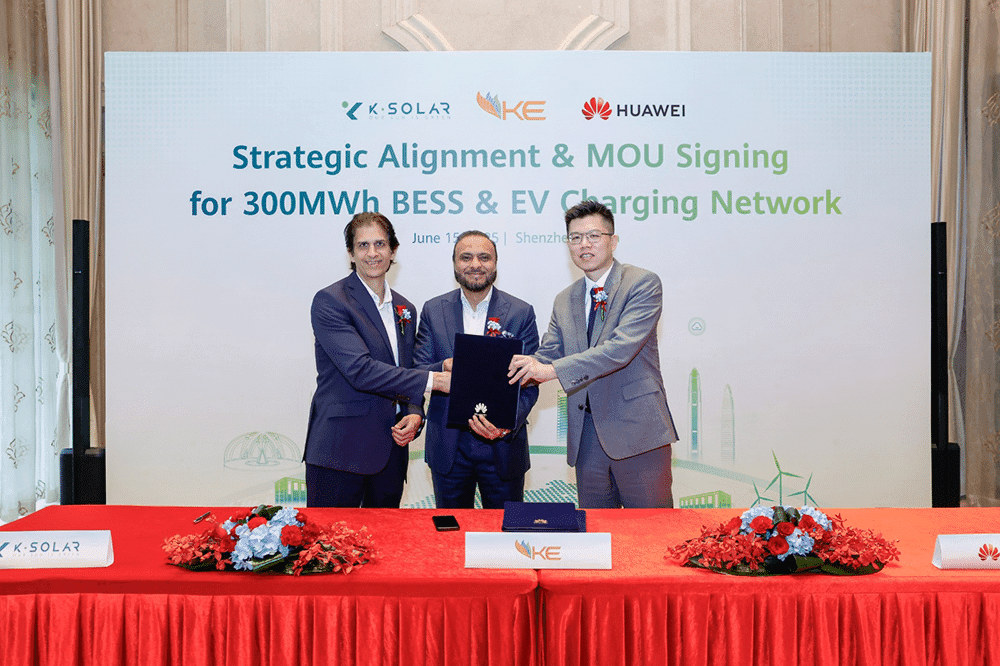
In a landmark development, K-Electric (KE) and its subsidiary K-Solar have signed a Memorandum of Understanding (MoU) with Huawei Technologies to drive smart energy Pakistan initiatives. The signing took place at Huawei’s global headquarters in Shenzhen, China, and marks a strong step toward a greener, technology-driven energy ecosystem in the country.
Smart energy Pakistan: Key Focus Areas of the Partnership
The collaboration will explore and develop new energy technologies in three high-impact areas:
Battery Energy Storage Systems (BESS) at utility and industrial scale
Electric Vehicle (EV) charging infrastructure
Microgrid development for reliable decentralized energy
These systems are aimed at improving resilience, efficiency, and sustainability across Pakistan’s energy network.
Smart energy Pakistan: Strategic Benefits for Pakistan
According to Muhammad Aamir Ghaziani, CFO of KE and Chairman of K-Solar, the smart energy Pakistan initiative is designed to align with KE’s sustainability roadmap and enhance national energy resilience.
“This partnership supports our long-term strategy by integrating advanced technologies into our power infrastructure. It’s about future-proofing our energy systems,” said Ghaziani.
Smart energy Pakistan: Huawei’s Role in Smart Infrastructure
Huawei’s Managing Director for Digital Power in Pakistan, Kevin Jin Yu, emphasized Huawei’s commitment to helping Pakistan leap forward in energy innovation.
“By combining K-Electric’s energy experience with Huawei’s smart tech expertise, we aim to deliver intelligent, scalable solutions tailored to Pakistan’s unique requirements,” he stated.
Tailored Energy Solutions and Policy Exploration
Fahd Khawaja, CEO of K-Solar, highlighted that the partnership will prioritize real-world testing and market readiness.
“Efficient and reliable battery storage is key to empowering industrial users and ensuring long-term sustainability. This is a big leap toward clean energy transformation,” he noted.
Under the MoU, the companies will:
Conduct feasibility studies for each technology
Design market strategies and business models
Pilot custom energy solutions for Pakistani conditions
Engage in policy discussions to support regulatory reforms
Conclusion:
This high-impact collaboration sets the foundation for smart energy Pakistan, promoting innovation, clean energy access, and tech-driven growth. As the country aims to build a modern energy infrastructure, this MoU promises scalable solutions that align with global energy trends and national sustainability goals.
Read More Here:
Afghan Gwadar Trade Boosts Regional Connectivity via Port Arrival